
Coca Cola Campaign
The commercial studio is razor-quiet, possessing the kind of intense stillness that happens when you strip away the entire outside world and focus solely on micro-geography. I am staring intently through my camera’s viewfinder at the tight intersection of two human faces. I'm fascinated, watching how a mere millimeter of negative space can instantly draft a silhouette that we’ve all intuitively known since our earliest childhood memories of hot summer days. Under the heavy modeling lights, the atmosphere feels dense with concentration, representing a sharp, dramatic departure from the loud, chaotic swagger of the Miami streets where I usually hunt for material. Today, the entire narrative canvas is narrowed down to an area smaller than my own outstretched hand. For this deeply intimate project here in NYC, the creative directive from the advertising client is audacious in its absolute, unadorned simplicity.
We are tasked with capturing the essence of an iconic global brand without relying on its traditional visual crutches. There are no vintage coolers on set, no beads of icy condensation dripping down a glass curve, no flash of striking red holding the wide frame together. Instead, we have been asked to channel the overarching mood of the Coca Cola campaign directly through the raw, honest texture of human bodies. As a portrait and commercial photographer heavily influenced by my colorful Cuban-Colombian roots, my instinct is always to look for community, for loud, vibrant expressions of life. Shrinking my visual world down to the exact point where two faces brush together requires an entirely different kind of sensory discipline. We are sculpting an optical illusion out of pure intimacy, turning the quiet vulnerability of human skin into a famous, instantly recognizable contour. It sits at the opposite pole of beverage advertising from the tabletop warmth of the Bud Light campaign: no product in frame at all, only its ghost.
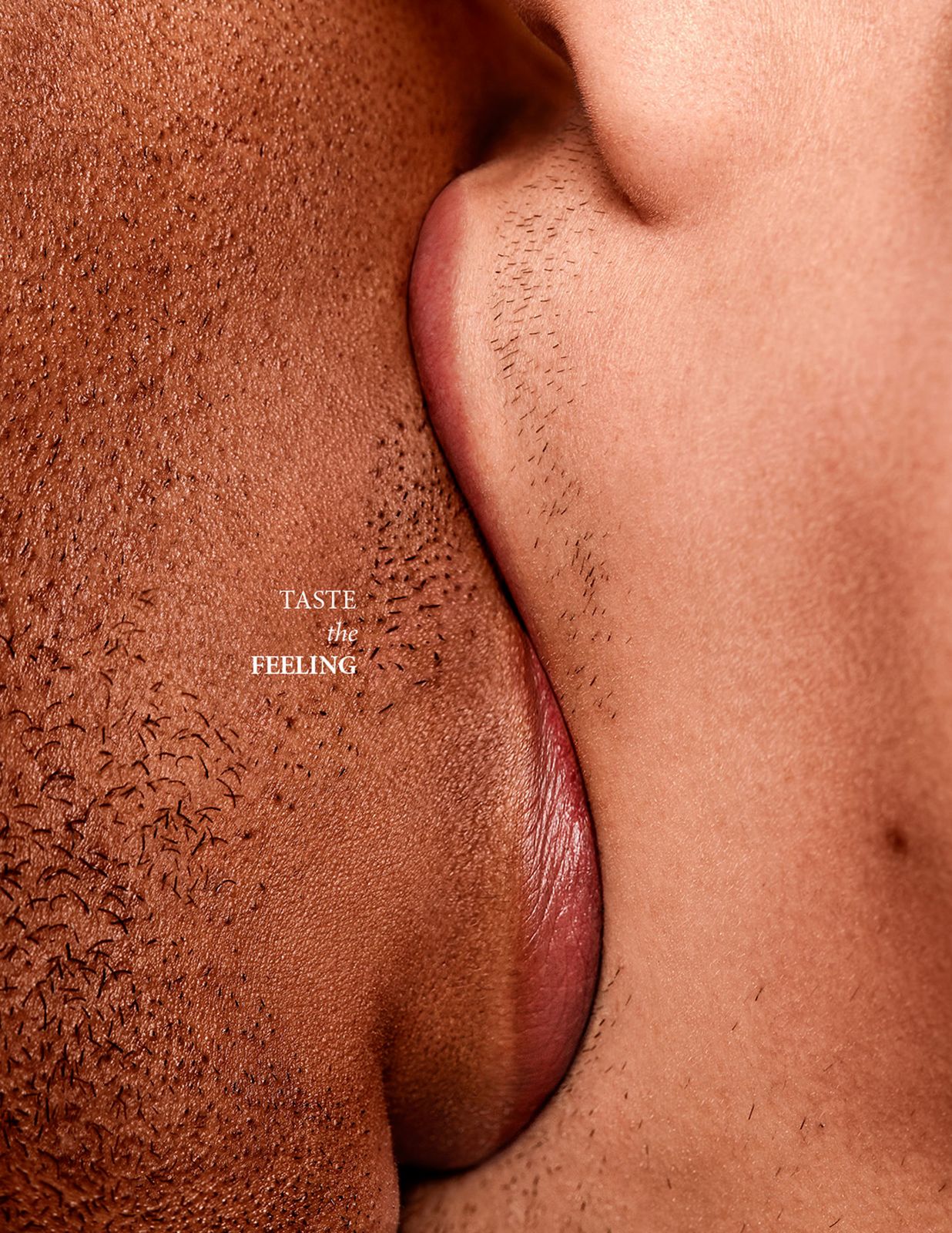
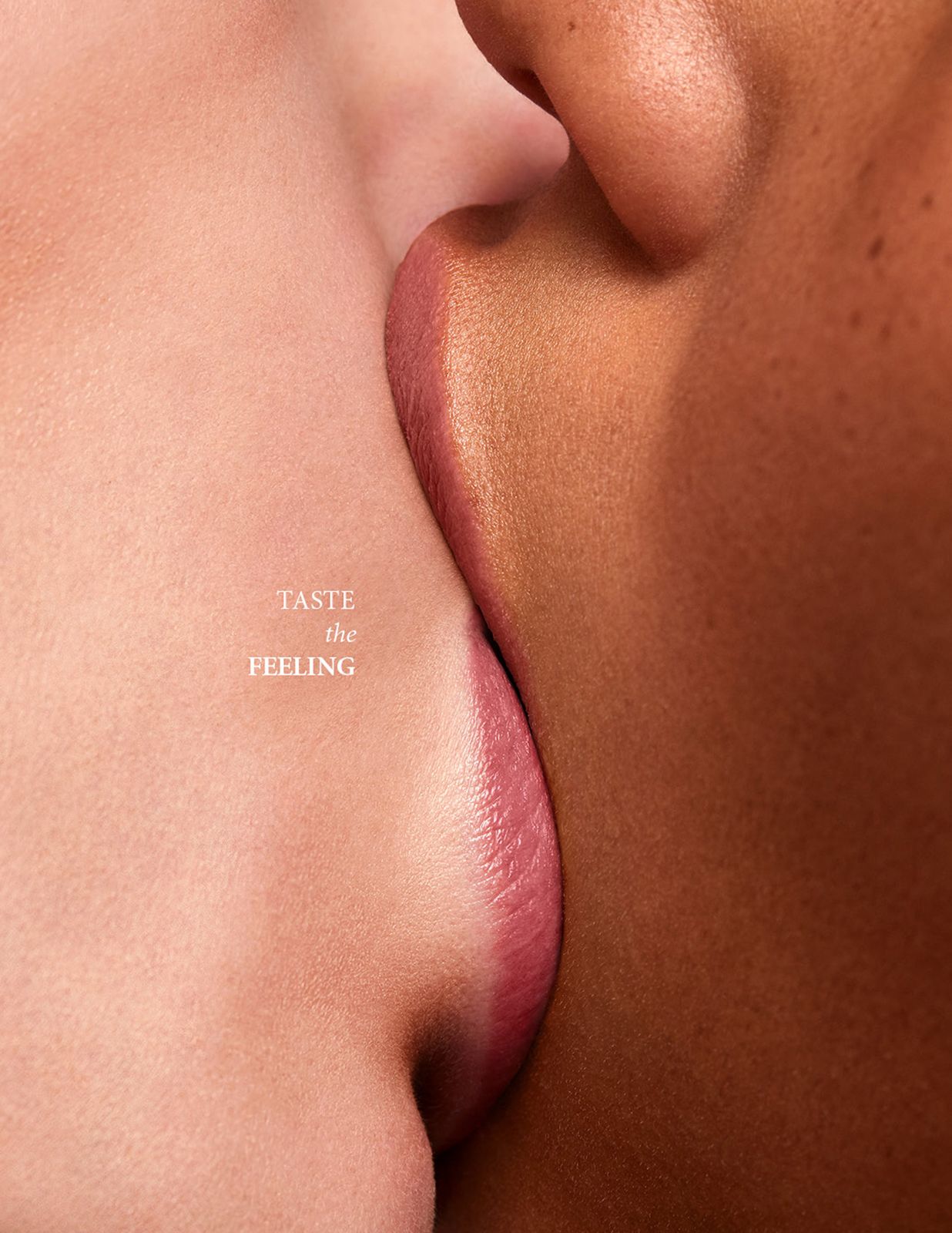
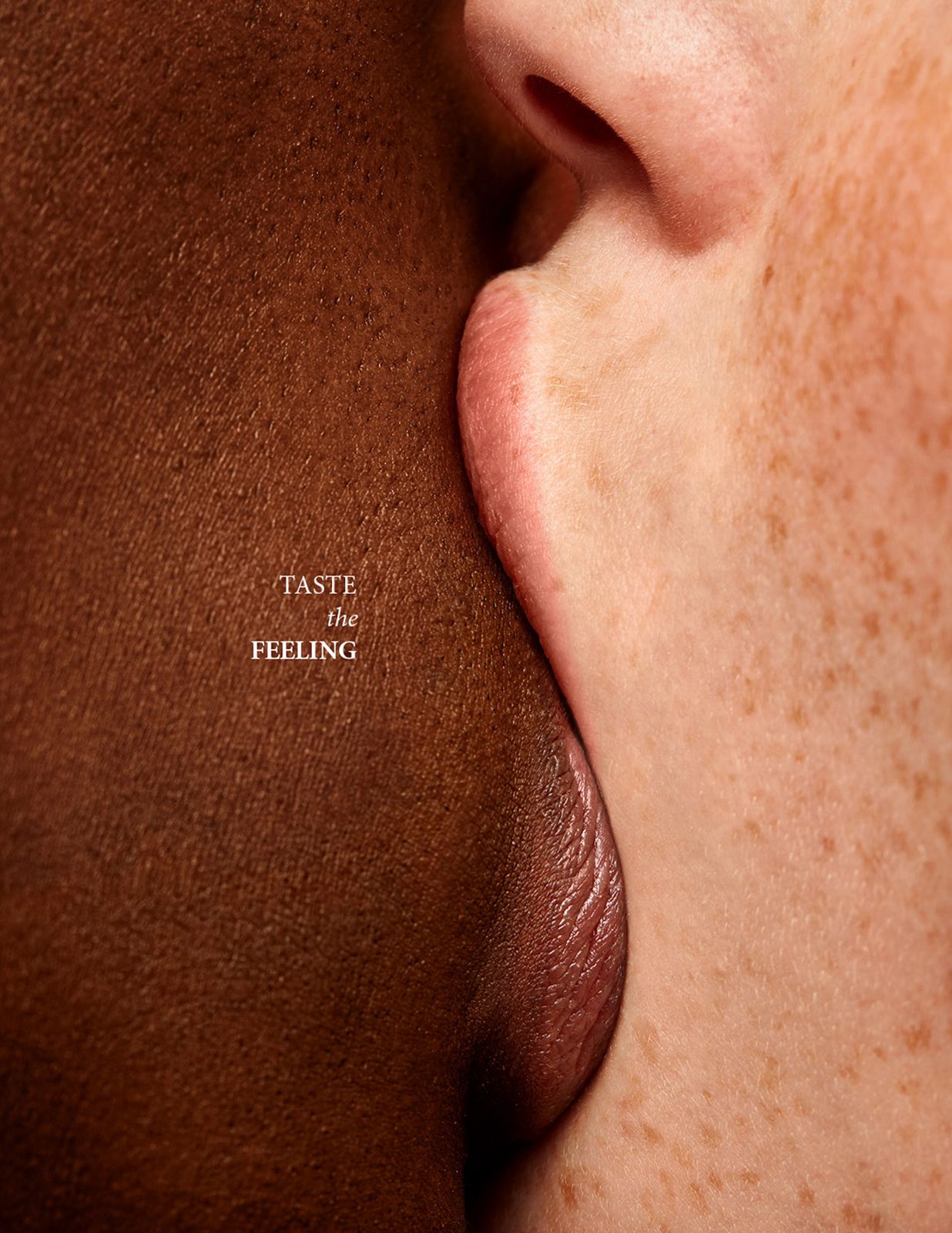
Looking closely at the digital monitor, a dark-skinned cheek curves gently against a pale, freckled profile. Their facial structures lock together like intentional puzzle pieces. The negative space where their skin momentarily parts creates the unmistakable shape of the iconic bottle. It takes absolute precision to find that perfect Kiss of light and shadow, the exact angle where two individuals form a recognizable object just by leaning into each other with quiet intention. I want the audience to feel the tactile warmth radiating from the captured image. If the mandate is to translate the abstract, universal concept of Love into a massive, worldwide campaign, it absolutely cannot feel synthetic or plasticky. It has to feel visceral, grounded, and entirely honest.
I have always looked for the stubborn soul beneath the polished surface. Bringing that quiet philosophy into a high-stakes commercial space means treating my macro lens not as a cold, clinical microscope, but as a sensitive amplifier for our shared humanity. Every coarse strand of facial stubble, every fine network of pores, and every natural shadow deep in the crease of a lip becomes a critical, load-bearing part of the final composition. We are taking something universally ubiquitous—the collective cultural memory of opening a cold, carbonated drink—and tethering it to the most fundamental human truth we possess: physical connection. The subtle swell of the legendary ribbon is built entirely out of interlocking, complementary profiles.
Normally, my studio sets are filled with constant movement, driven by infectious Latin music and spontaneous physical energy. But today, the direction I give is entirely micro, bordering on a silent meditation practice. “Breathe in gently,” I whisper softly to the models, standing just inches from their faces. “Hold exactly there. Don't shift your weight.” The incredibly subtle rise and fall of their chests changes the curvature of the invisible bottle in the frame. It is endlessly fascinating how fragile the optical illusion really is in real time. Shift an inch to the left, and the spell breaks—it’s just two strangers sharing a close physical space. Lean in properly, and suddenly, it’s a globally recognized form born entirely out of human touch. Commercial advertising often asks us to look outward, to desire something just beyond our reach, but right now, bathed in the warmth of the modeling lamps, the pull is profoundly inward.
A recognizable curve, carved entirely from close breath and warm skin, holding the heat of the whole world inside it.