
Barcelona
Everyone photographs Barcelona's postcards. The basilicas, the boulevards, the mosaic lizards — they have been shot so thoroughly that the city can feel pre-composed, a place you download rather than discover. So in May of 2011 I gave myself a rule: one week in the city, no landmarks. I would only photograph what Barcelona wasn't performing — its textures, its leftovers, its in-between spaces.
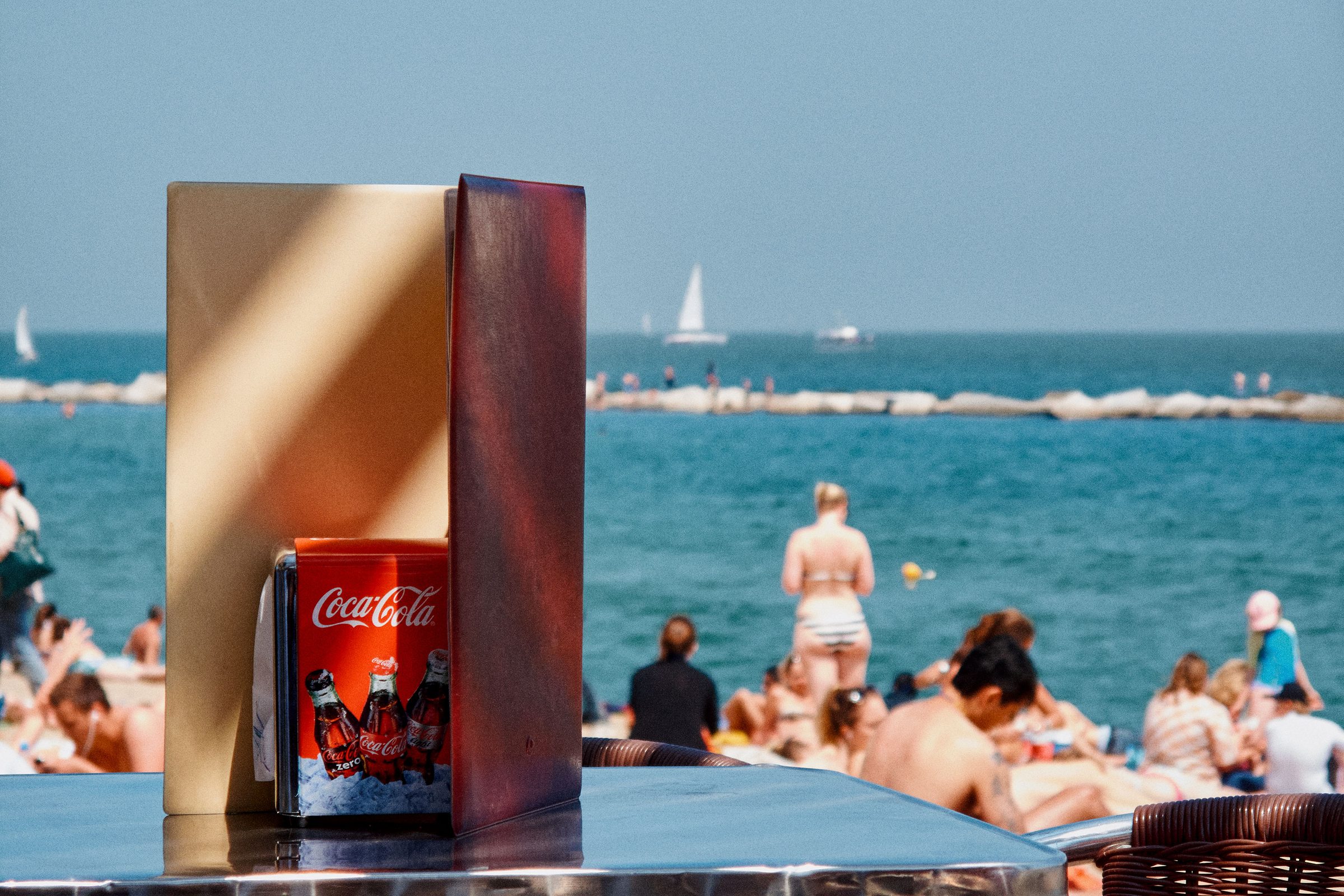
The beach gave me my first frame. At a chiringuito above the Barceloneta shoreline, a can of Coca-Cola sat sweating in the shade while half the city glittered in the water behind it. It is a tiny domestic altar of summer: cold aluminum, hot sand, sails on the horizon. Years later I would build an entire commercial campaign around that same silhouette of a bottle, but here it was just found still life, unstyled and perfect.
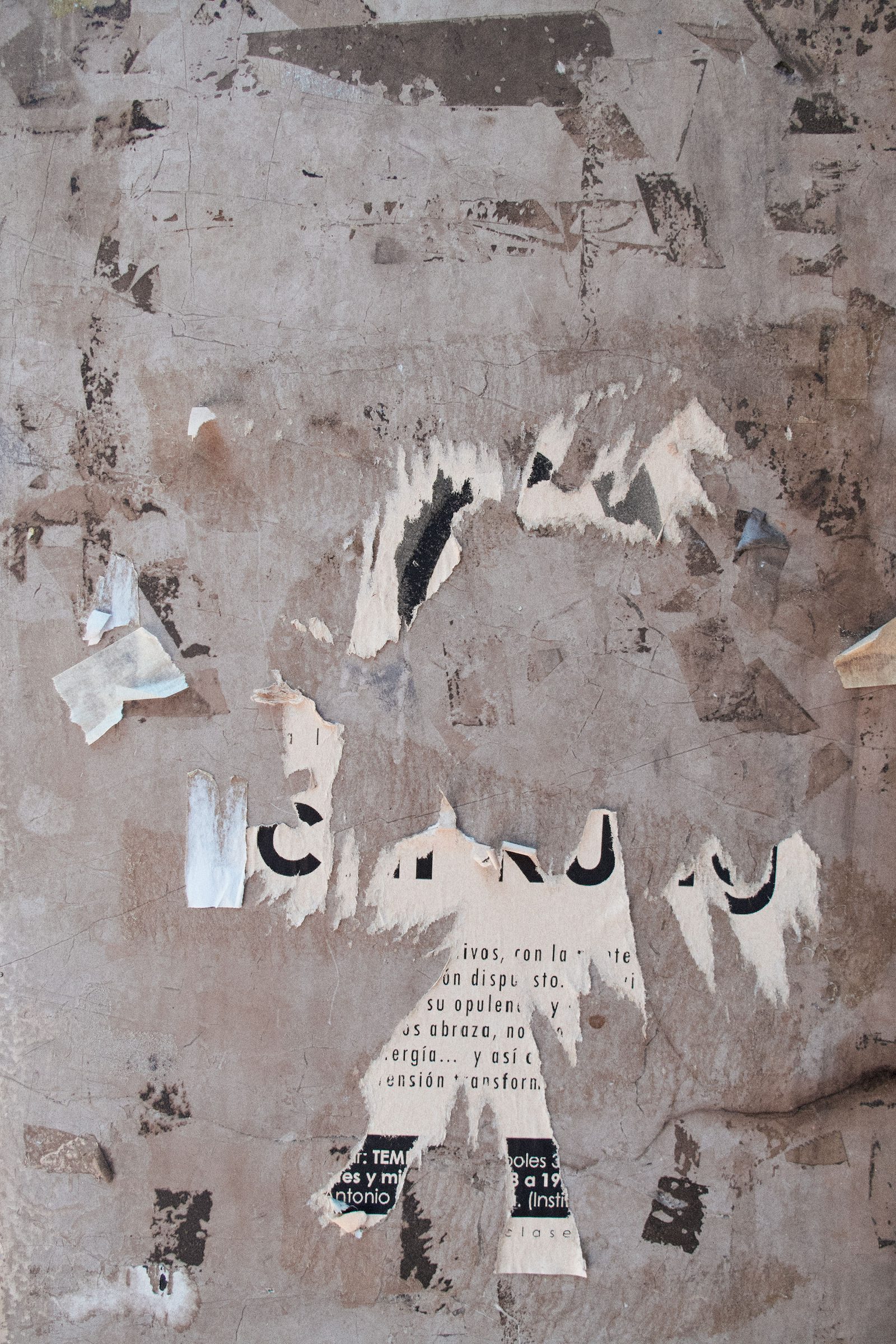
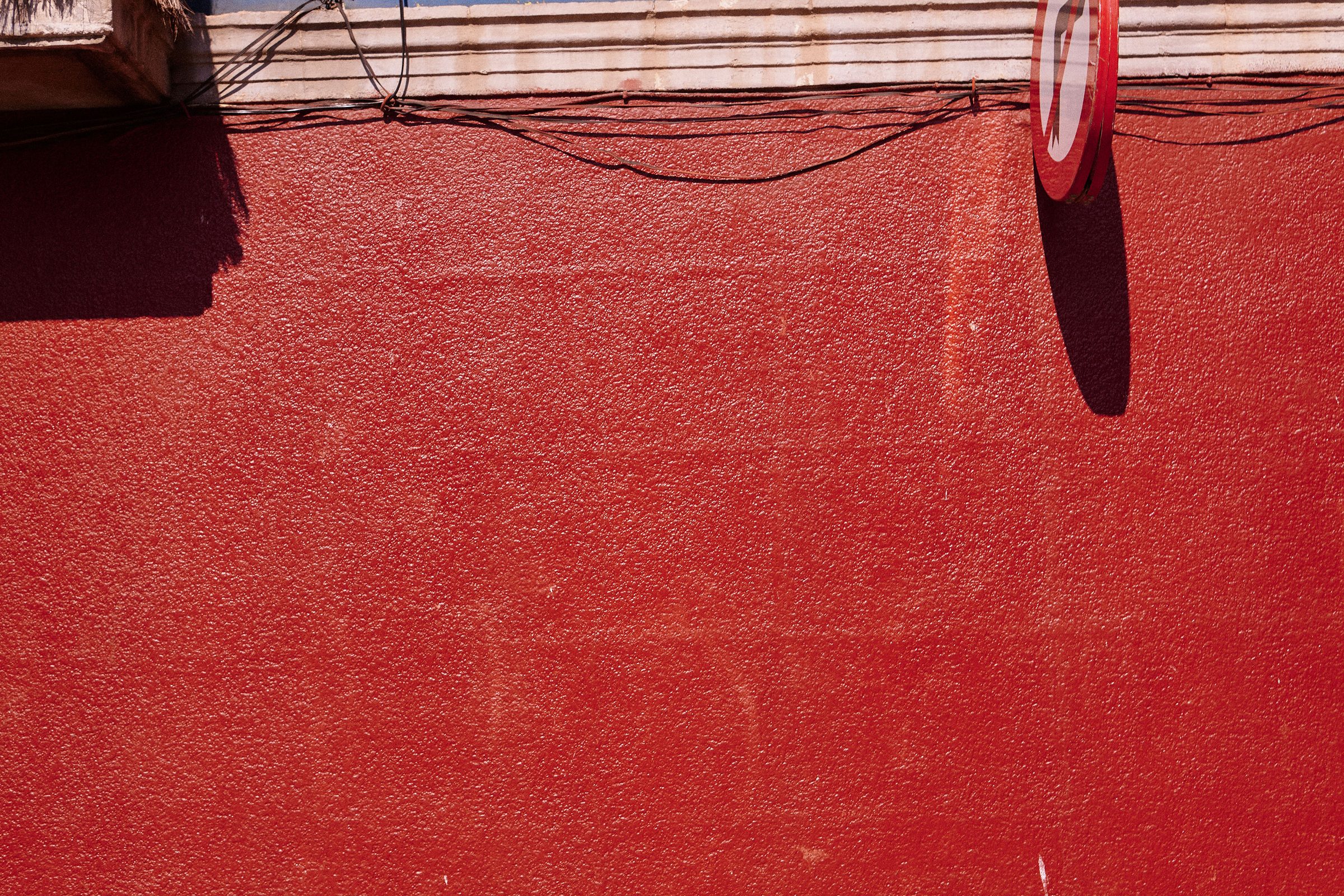
Away from the water, the walls took over. Barcelona's surfaces are palimpsests — posters glued over posters, torn down, glued again, until the wall itself becomes an abstract painting the whole neighborhood collaborated on. A few streets later, a red wall blazed under its own cable shadows like a hard-light studio set no one had built on purpose. Street photography, for me, is mostly this: noticing compositions the city makes when it thinks nobody is looking.
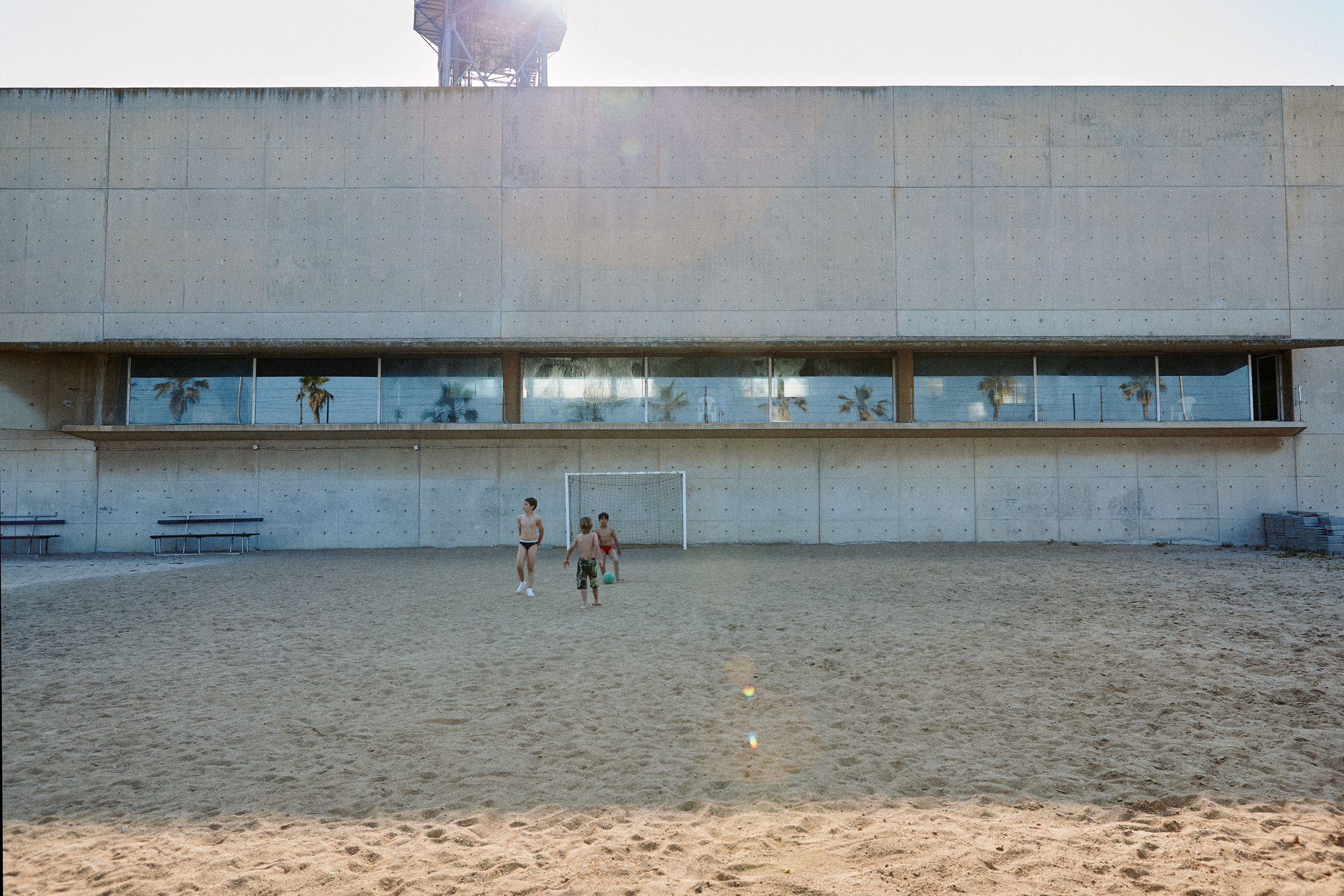
Near the port I found two kids playing football on a sand pitch pressed against a concrete grandstand, backlit by late sun. It is the only overtly human frame in the series, and even here the architecture does half the work — that long horizontal slab holding the boys like a film frame within the frame.
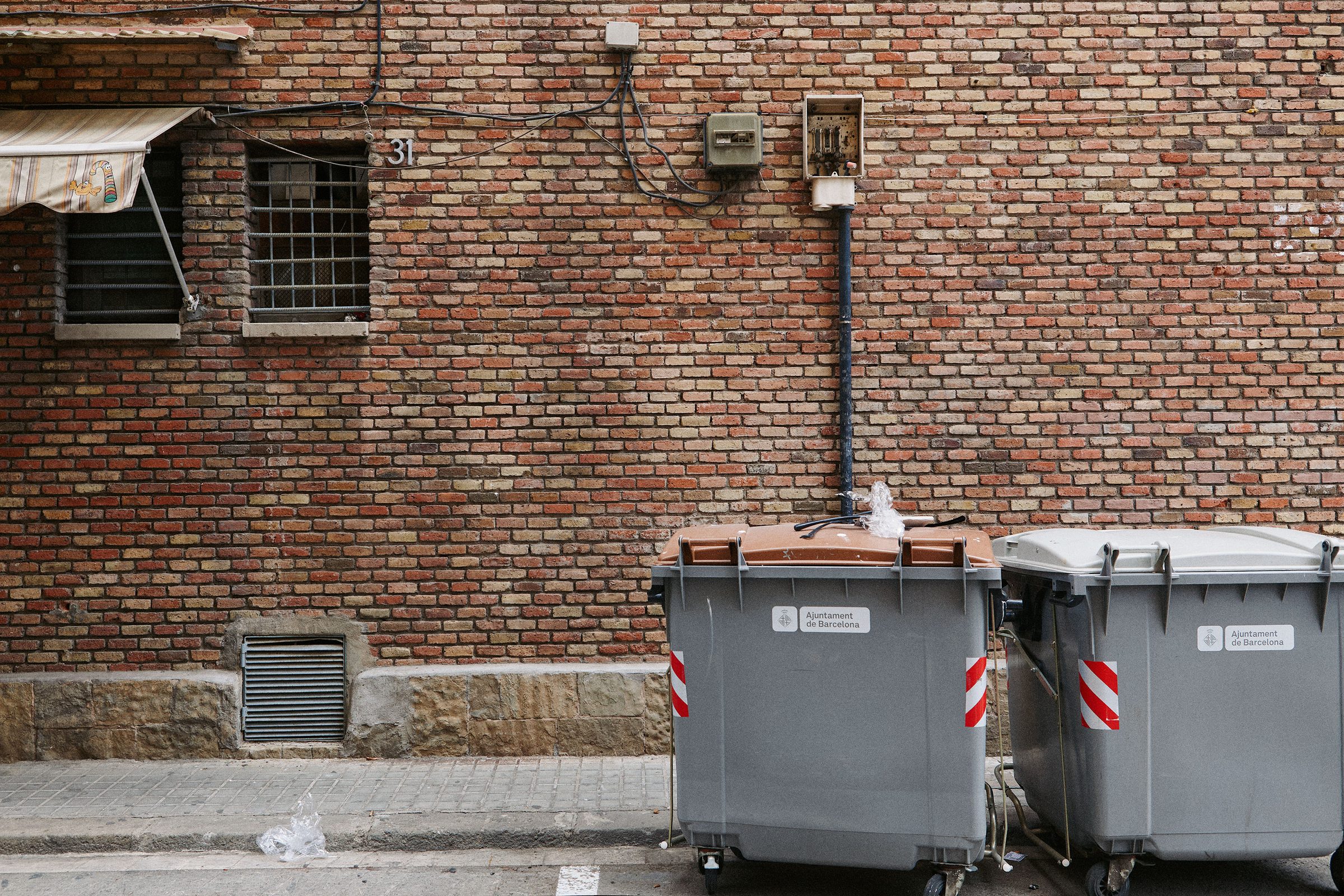
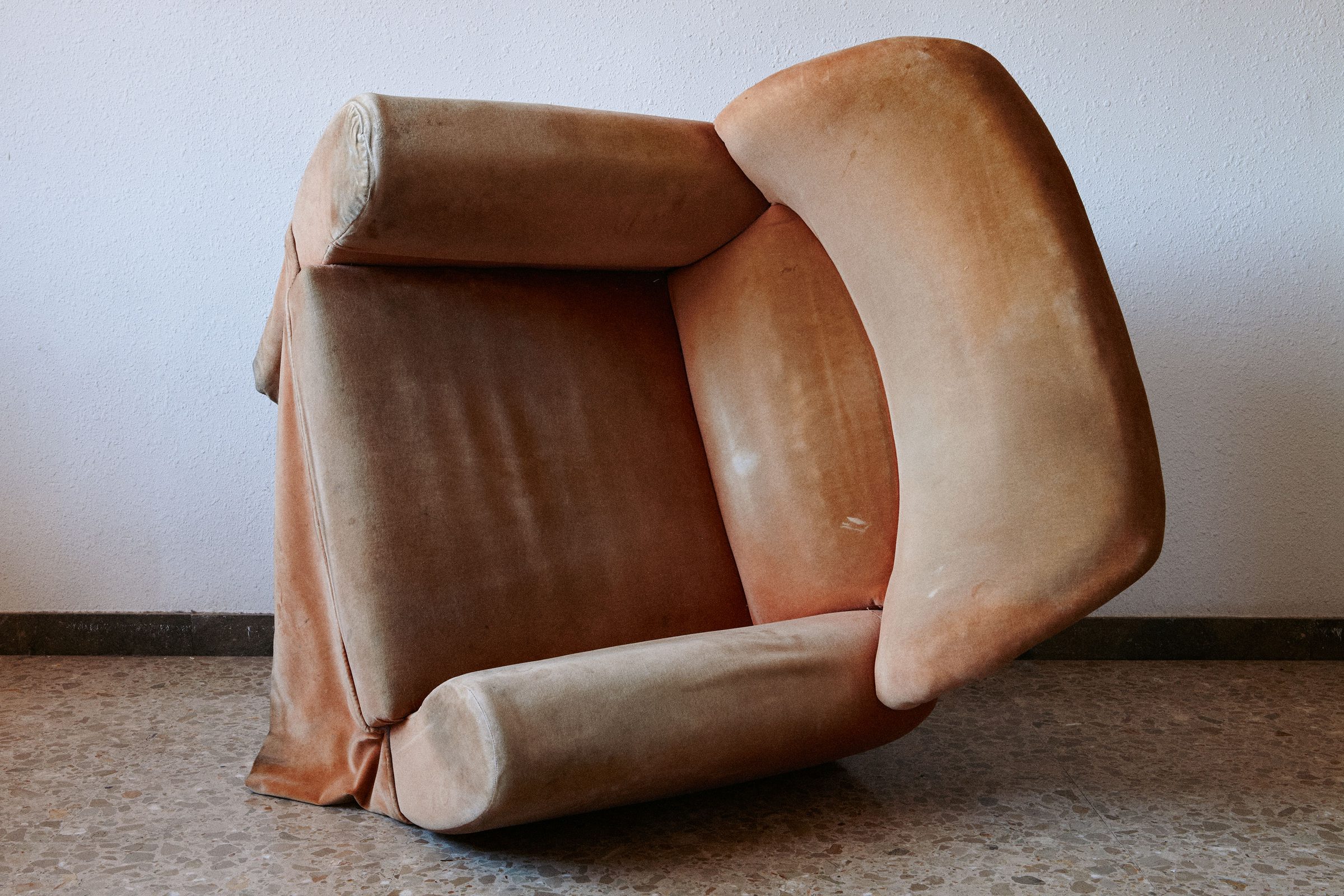
And then the furniture. A leather armchair tipped on its side in an empty room, dignified even in defeat; a pair of dumpsters standing guard on brick like two patient civil servants. I have never been able to explain why abandoned objects photograph so well. Maybe because they hold the pose forever.
The quiet of these streets was one half of Barcelona's story that spring. A few weeks later I walked twenty minutes from these walls and found the exact opposite — the glorious, crowded chaos of the city's balnearios in high summer. And the patience these textures demanded came straight from a desert road trip two years earlier. Cities, like deserts, reward the slow eye.