
Intimate Safari: Capturing the Quiet Wilds of Kenya
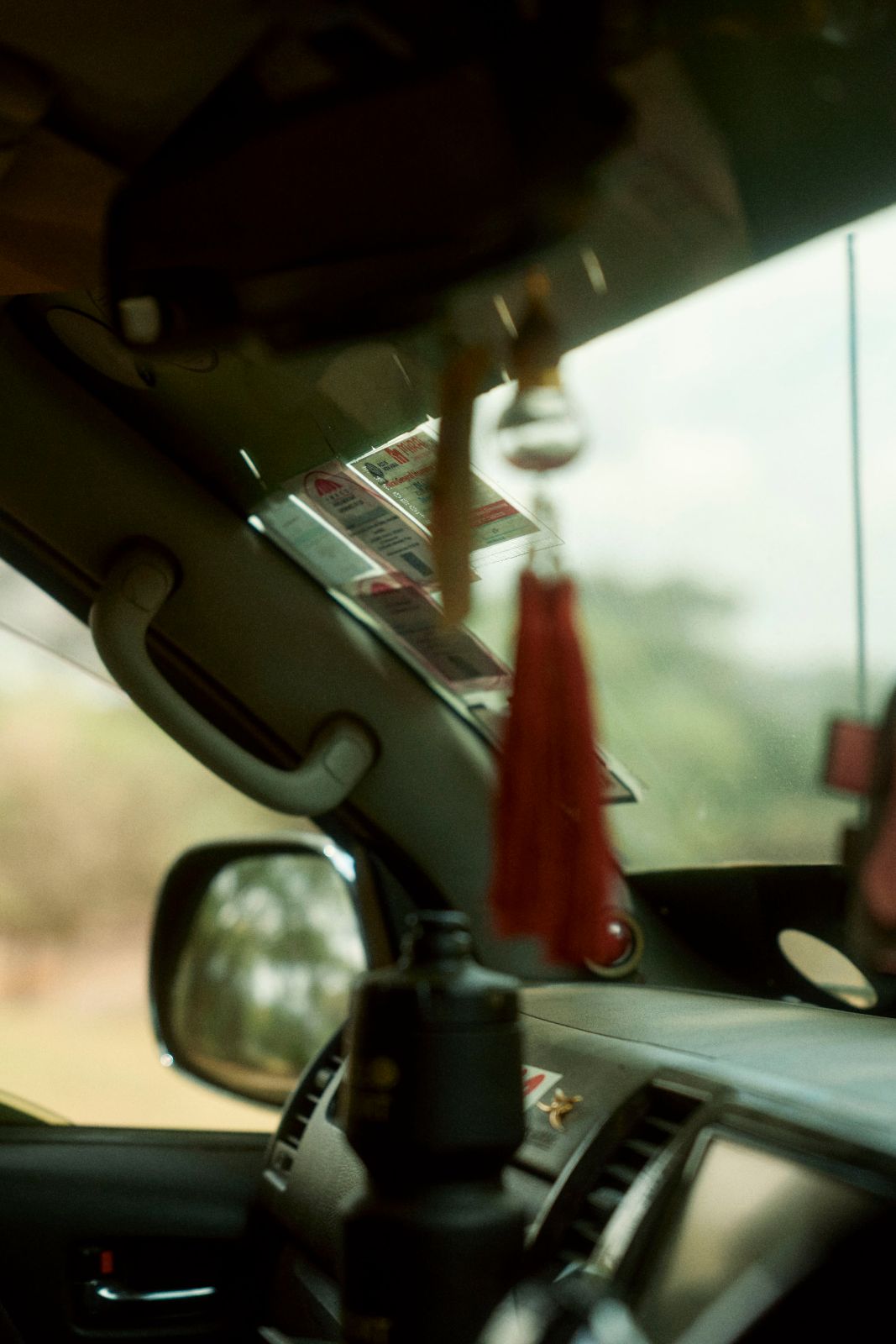
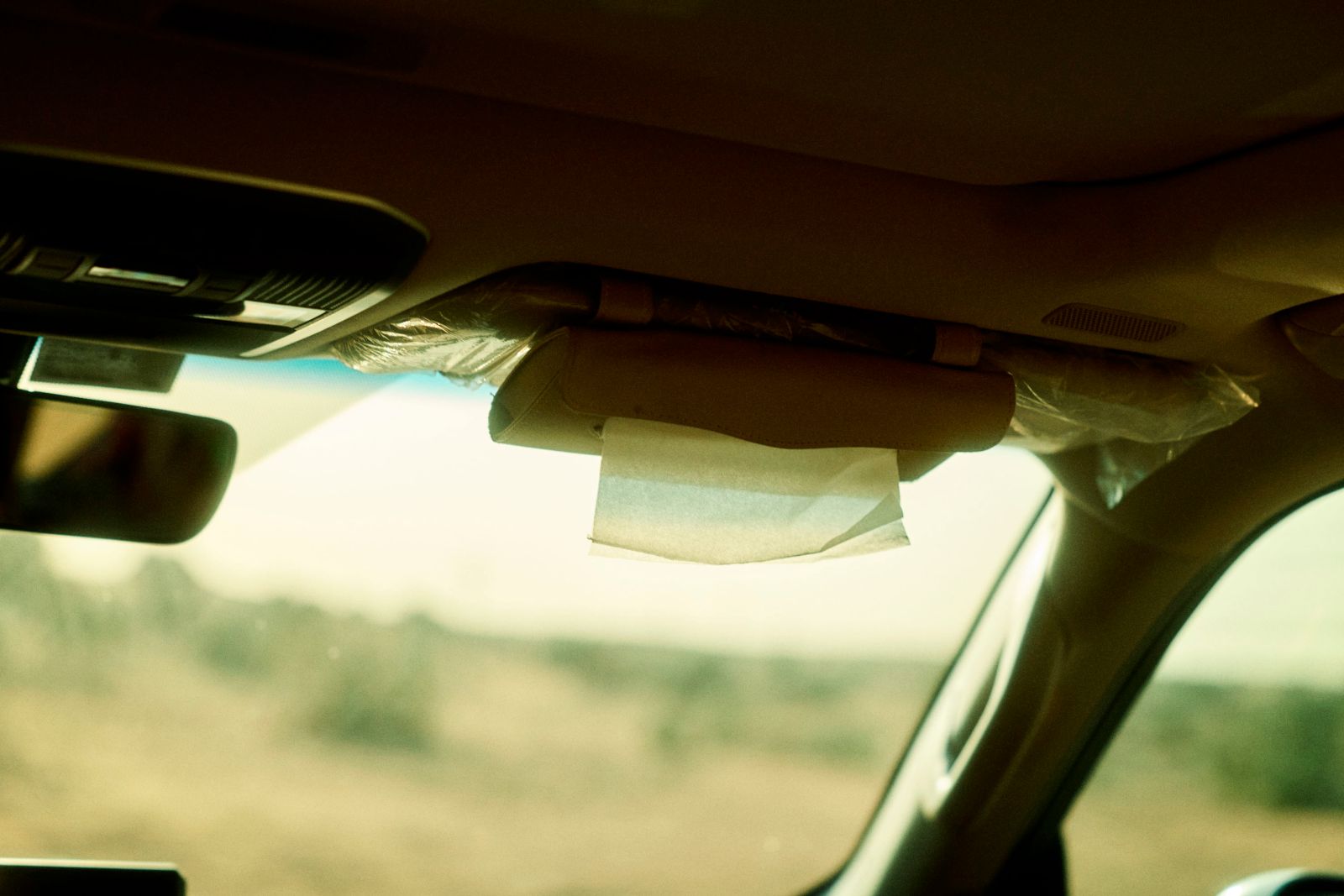
Keep the windows rolled down and let the Kenyan dust settle exactly where it wants to. There is a deep, resonant stillness out here that you can feel in your chest long before you see the wildlife. The true soul of a place exists between the loud moments, in the quiet breaths most people rush past. Out here, with the engine gently idling and the loose tissue fluttering from the visor, that has never felt more true.
This isn't a commercial gig. There are no client briefs, no bustling Oviedo Studios lighting setups, and absolutely no shot lists dictated by a creative director in a high-rise. It’s a purely personal project. Like the rain-soaked morning we shared in Colombia’s Eje Cafetero, it exists only because we were there together. My wife, Kathy, sits across from me, anchored in the passenger seat, an observer as much as I am. I watch the way the humid morning light catches the rim of her delicate gold earrings and illuminates the warm tones of the silk scarf wrapped around her hair.
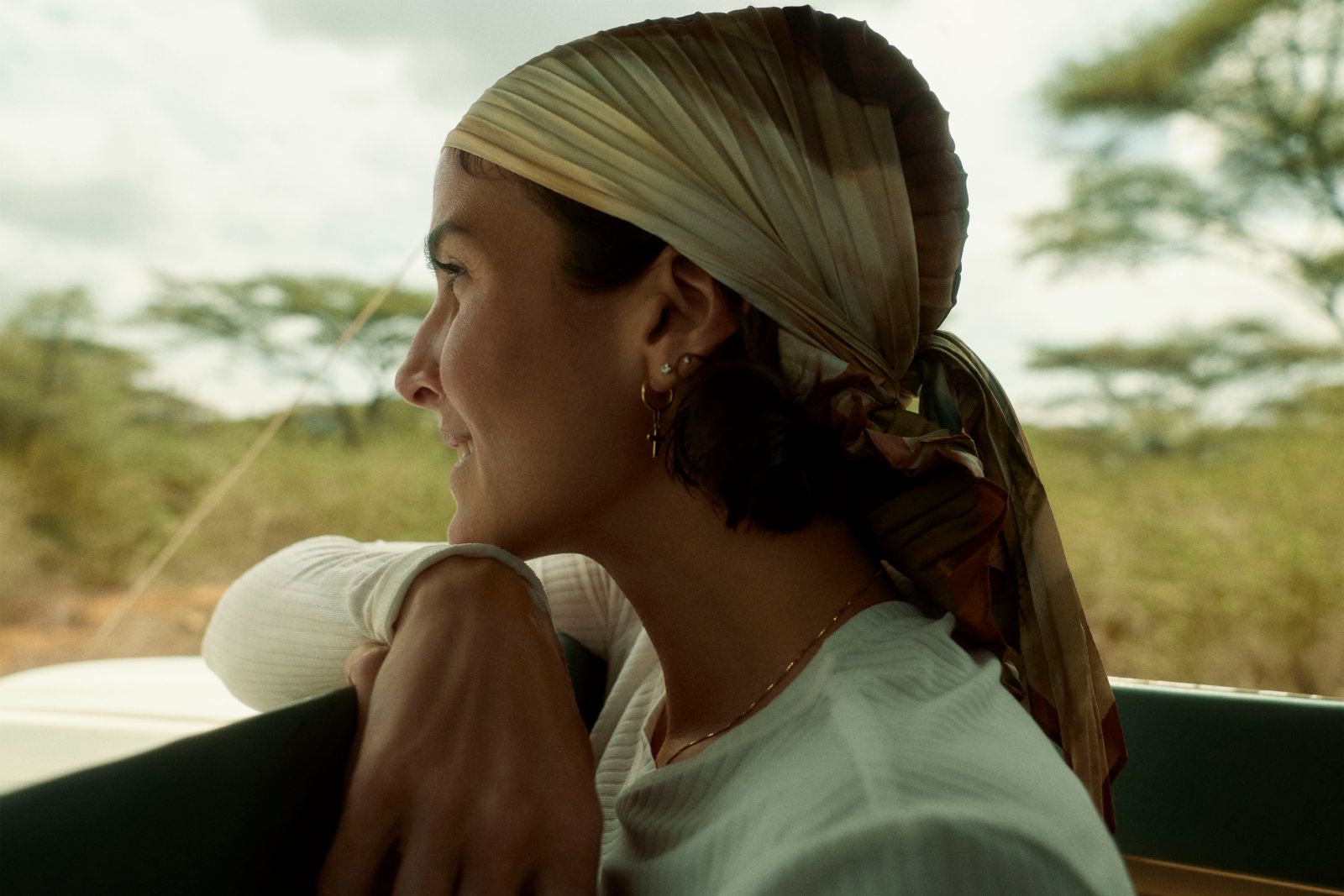
Her smile is soft, deeply present, catching the wind as we finally pick up speed. Back in Brooklyn, our lives move in jarring, rapid cuts, but here, the rhythm shifts into something ancient. The desert outside Dubai taught me a version of this stillness; Kenya speaks it fluently.
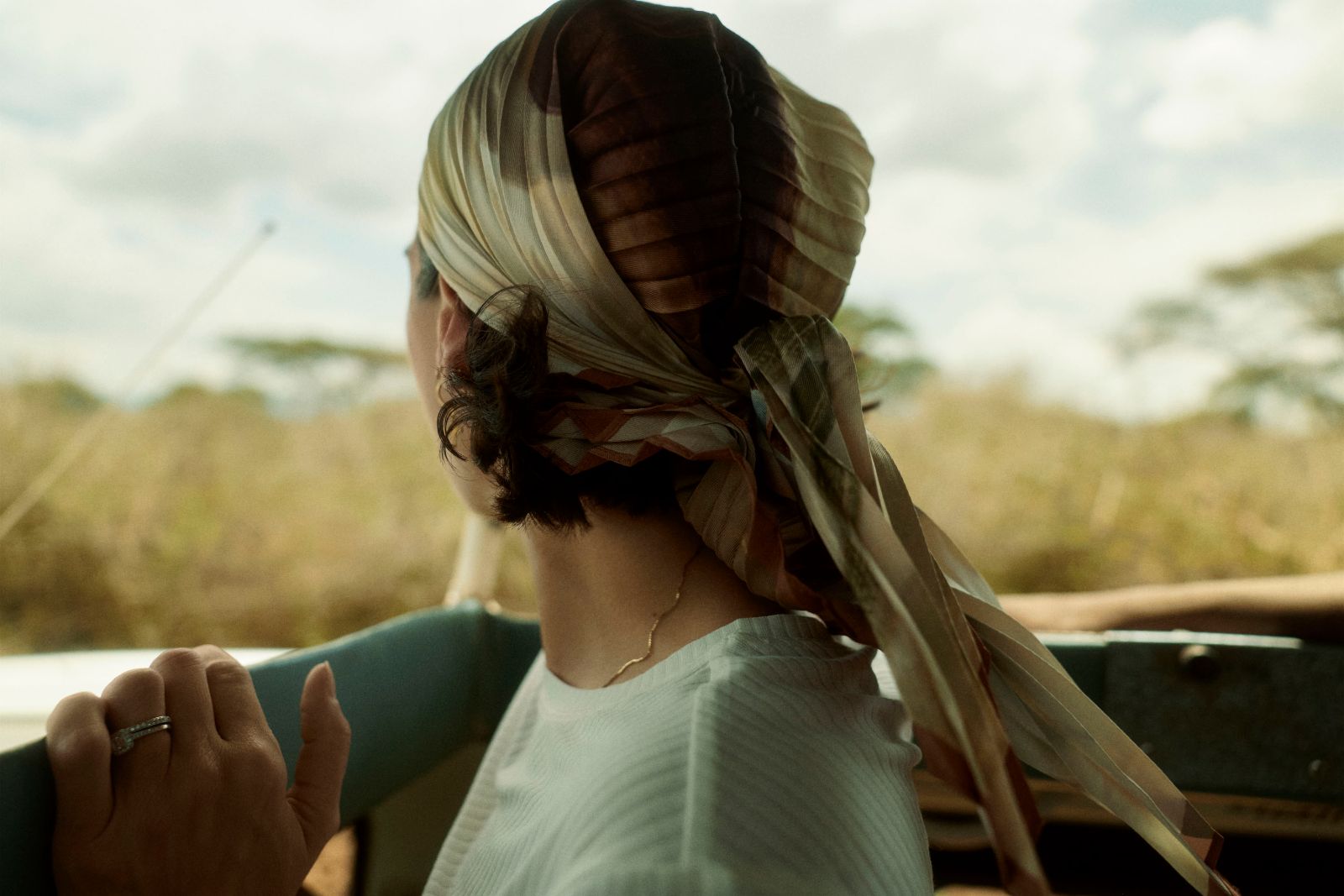
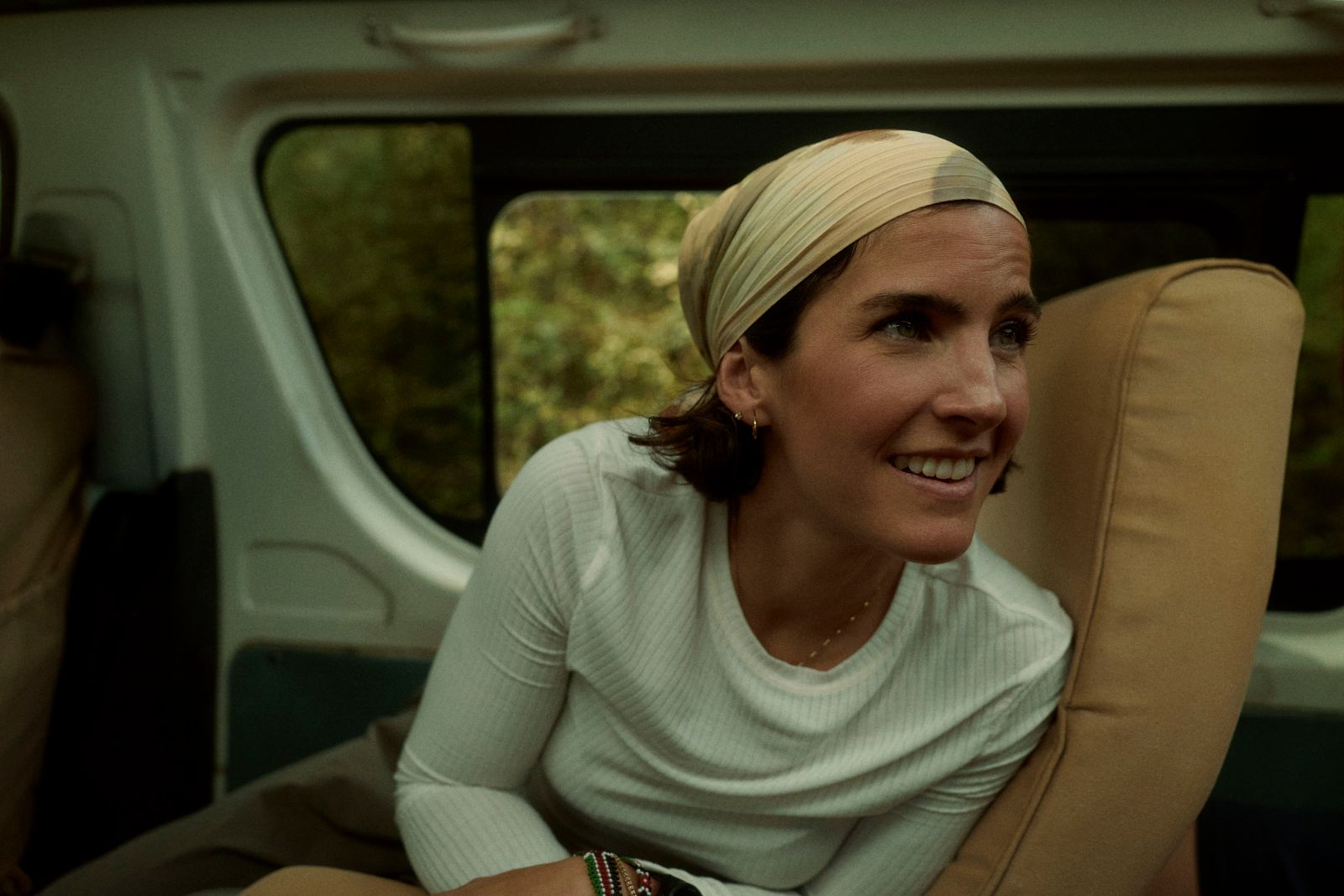
This entire journey has organically grown into a quiet, intimate safari story. The wild beauty of Kenya doesn't shout at you; instead, it reveals itself slowly through lingering moments of wonder, stillness, and discovery. You look up through the dusty glass and suddenly see the heavy canopy fracturing the sun into a thousand shards of white-hot gold.
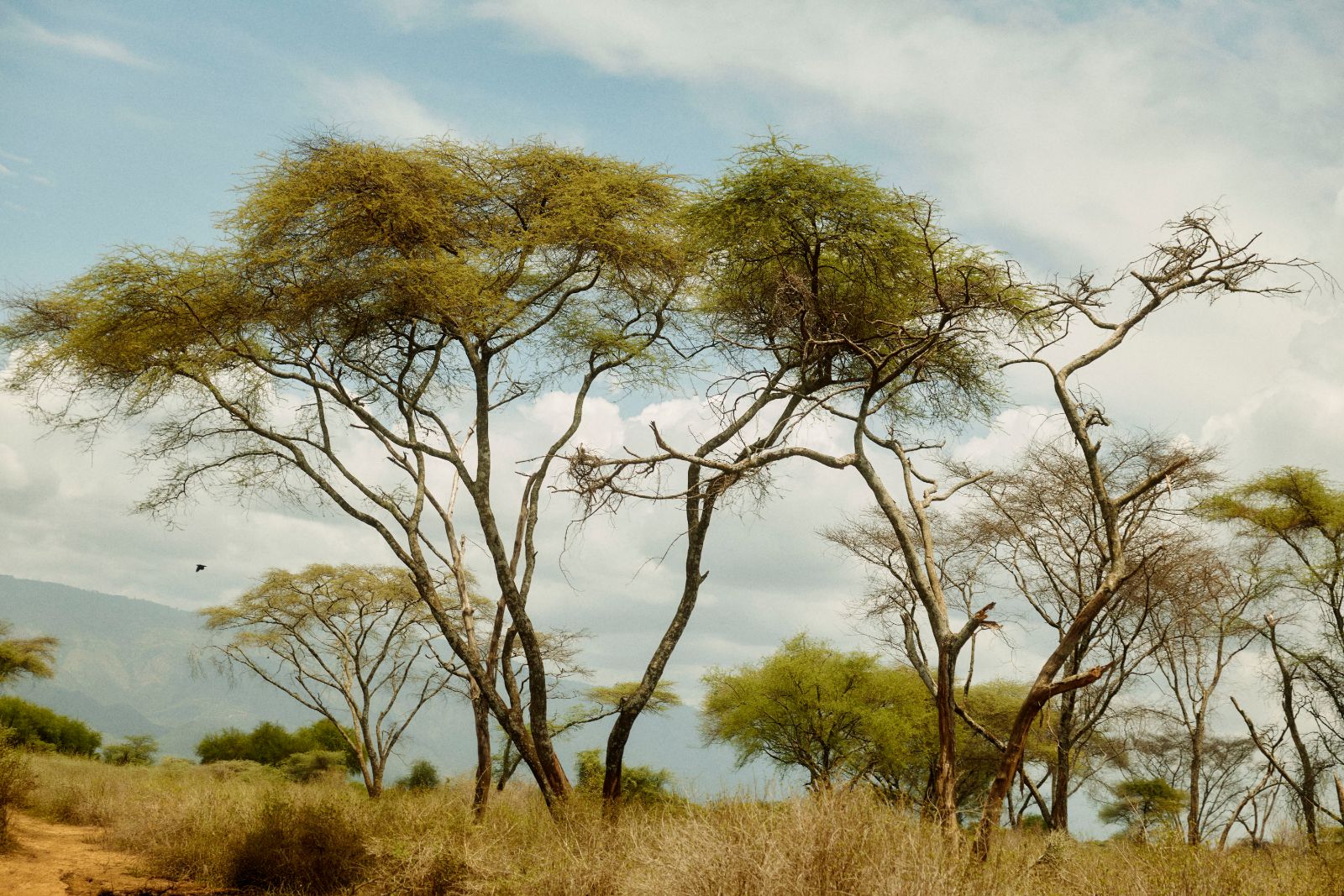
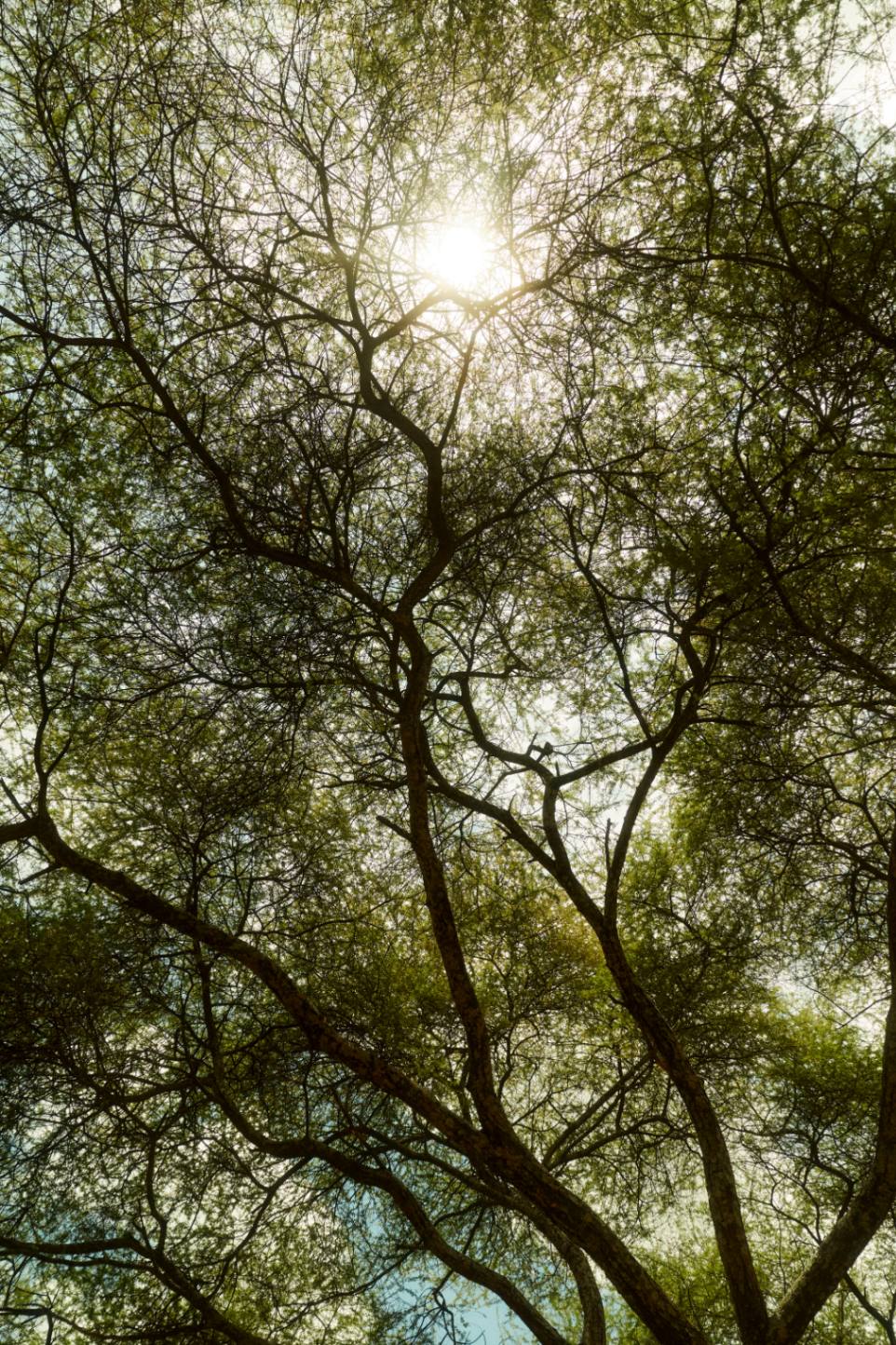
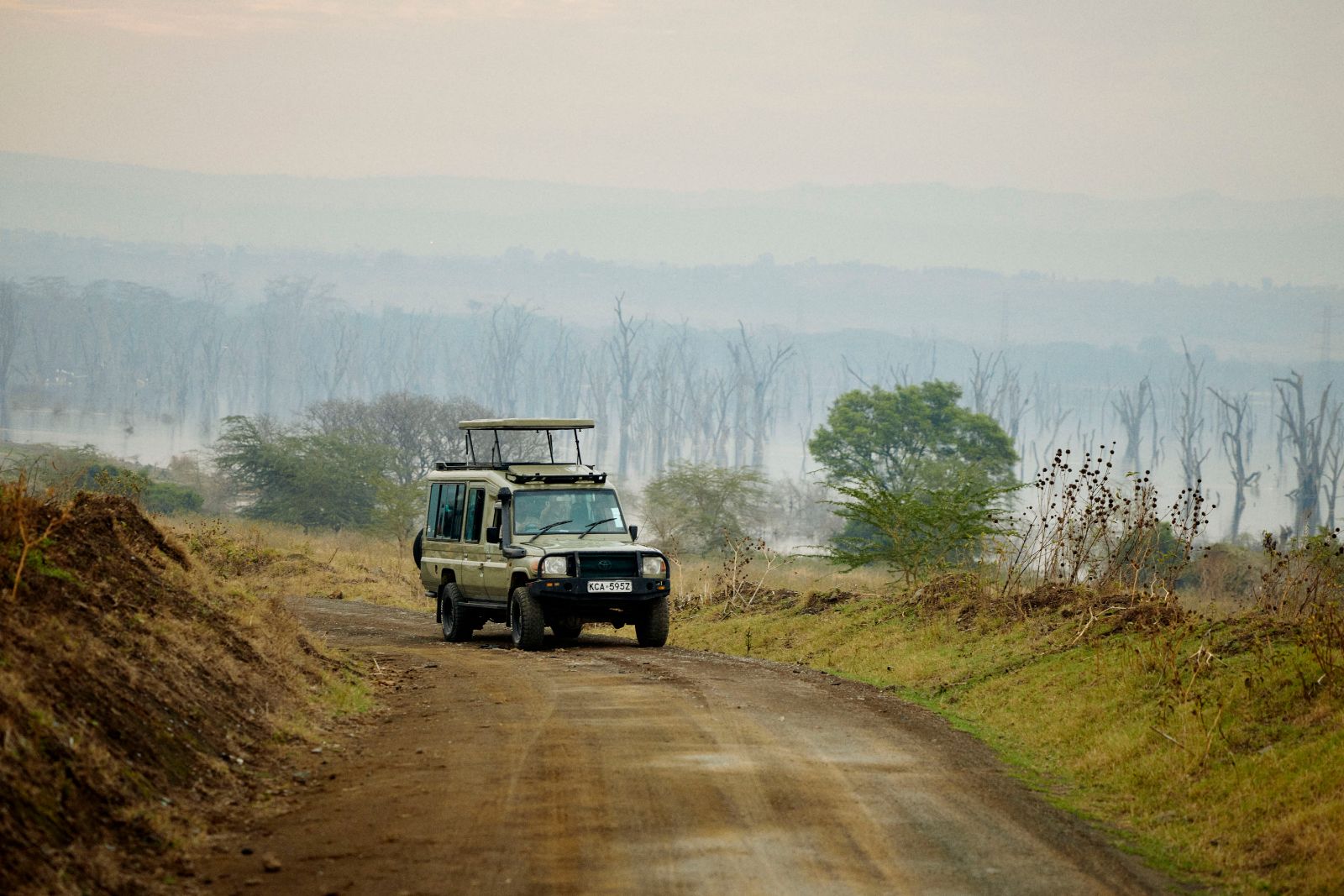
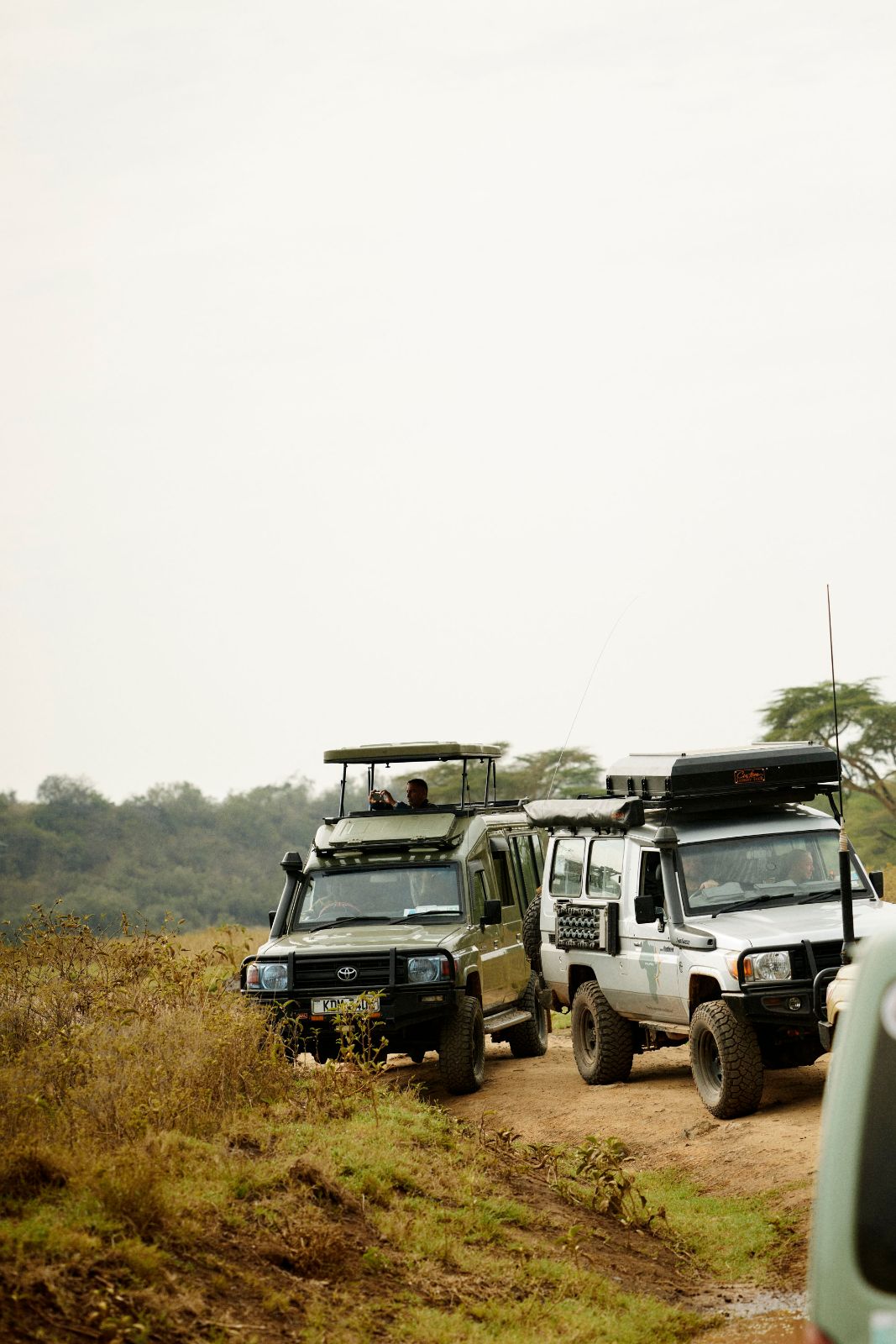
The Land Cruiser functions as my mobile viewfinder. I find myself framing the landscape exactly the way I once framed the bustling avenues of New York—layering objects, shooting out of open windows, using the rigid geometry of the vehicle to contrast the raw, untamed brush.
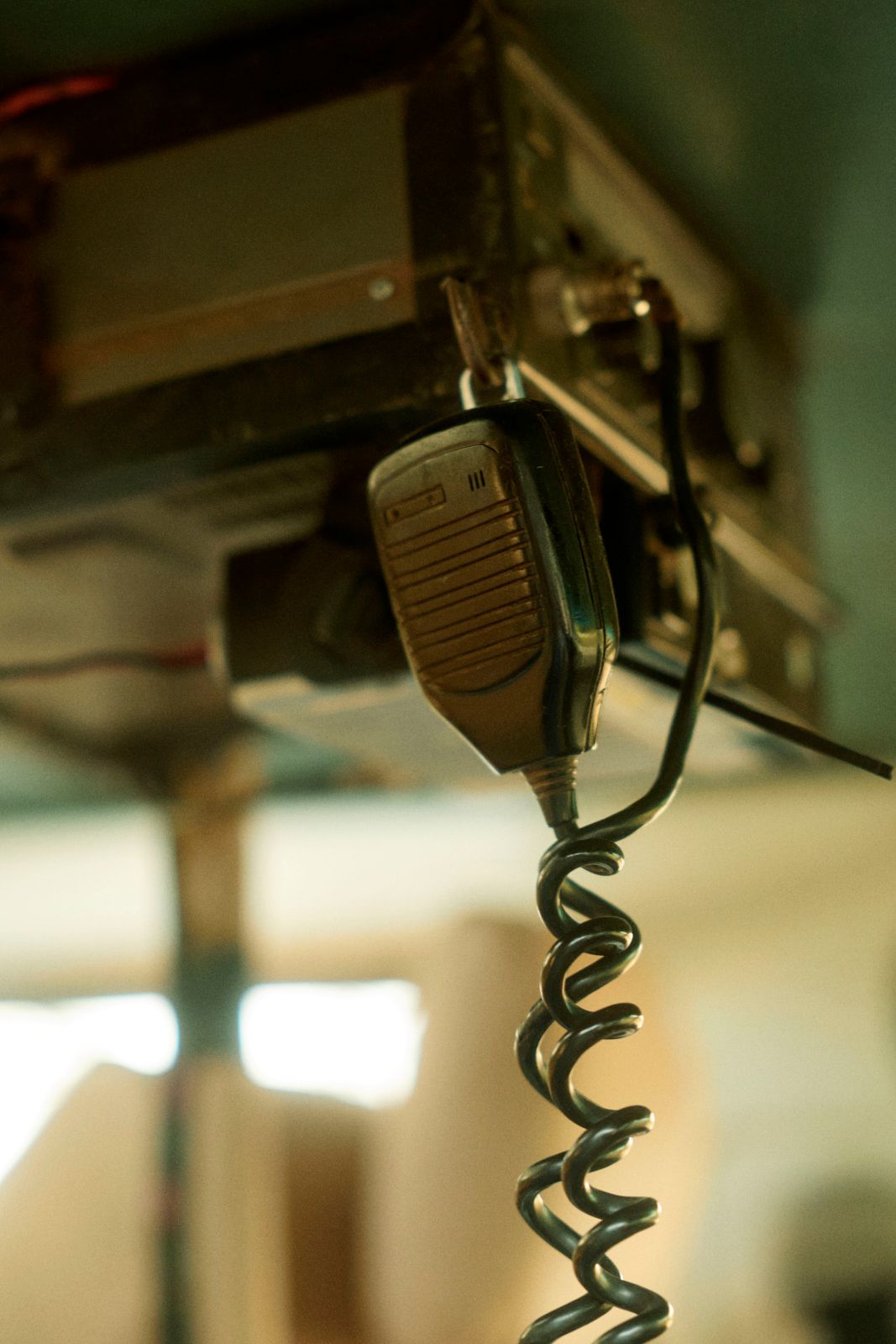
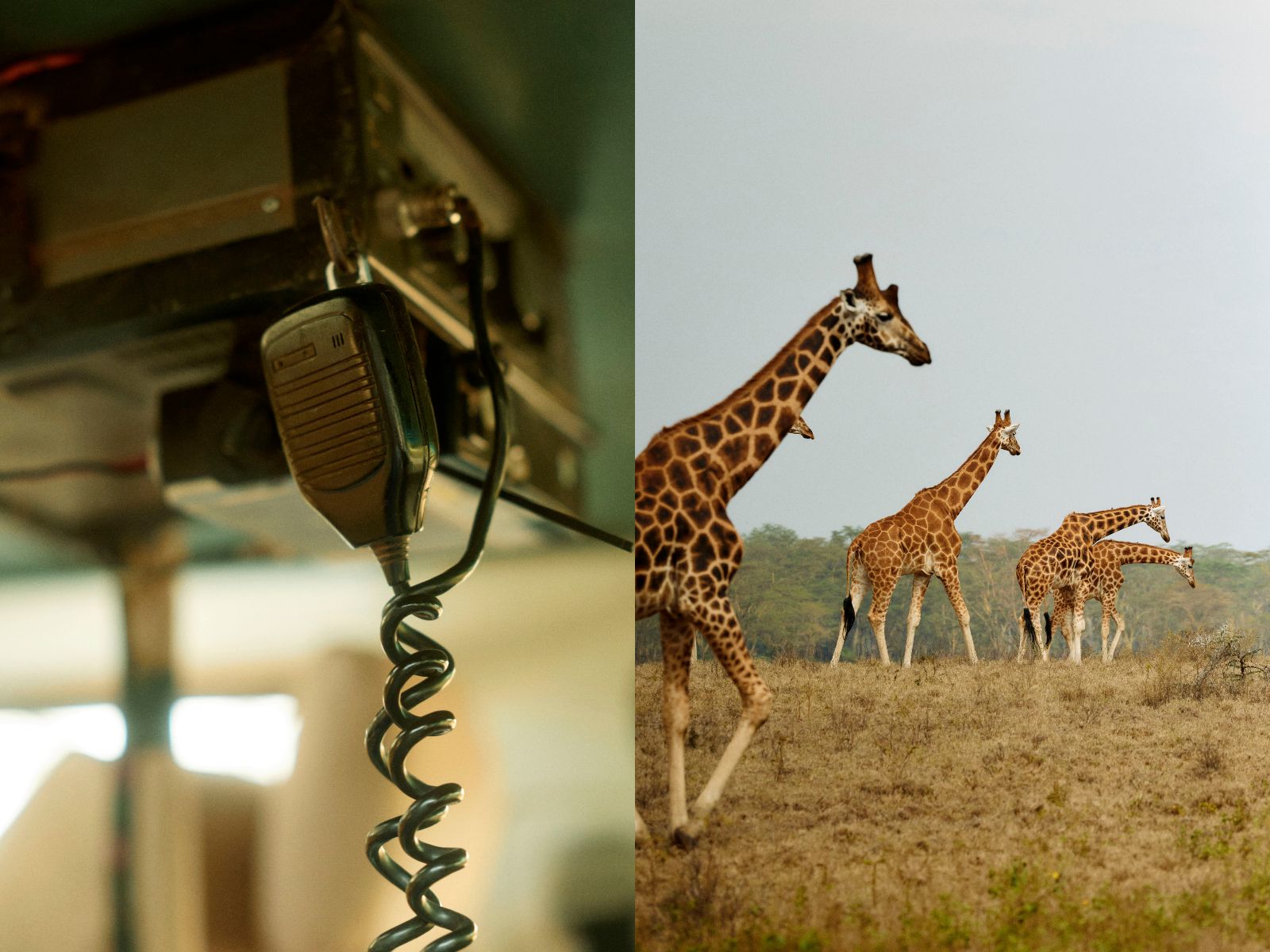
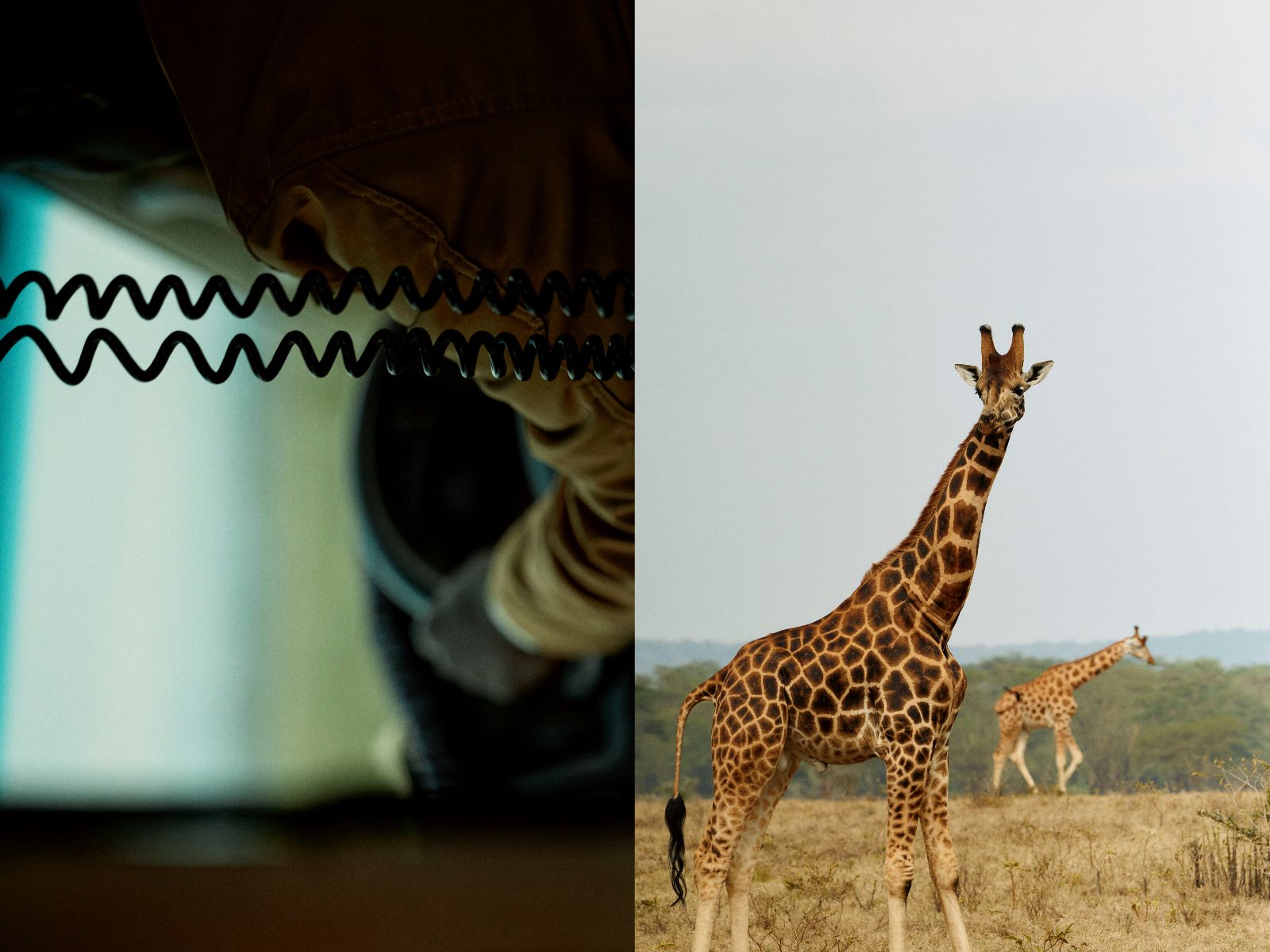
The coiled cord of the two-way radio swings like a metronome against the dashboard as we crawl along the dirt tracks, a mechanical interruption to the organic shapes outside.
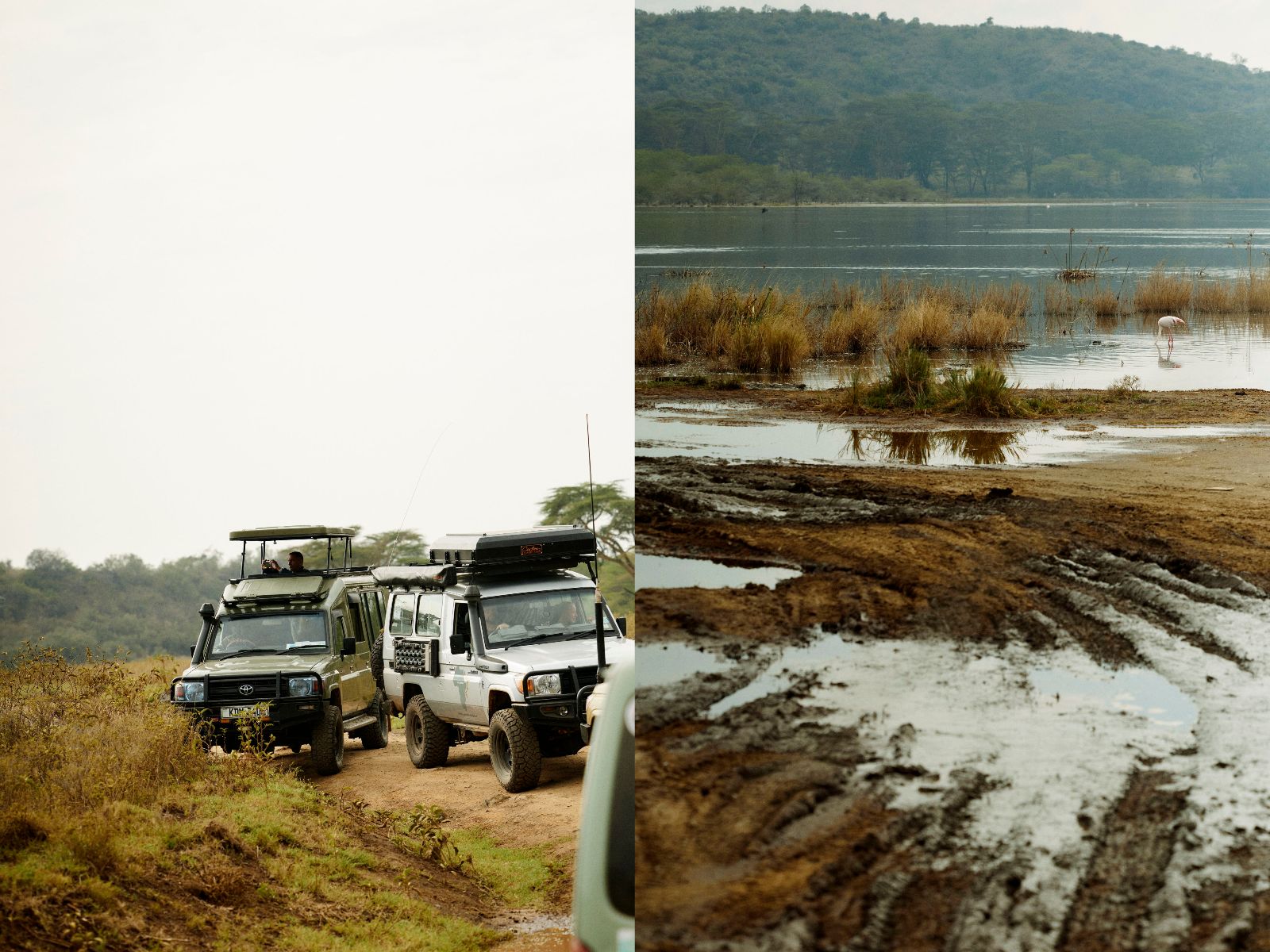
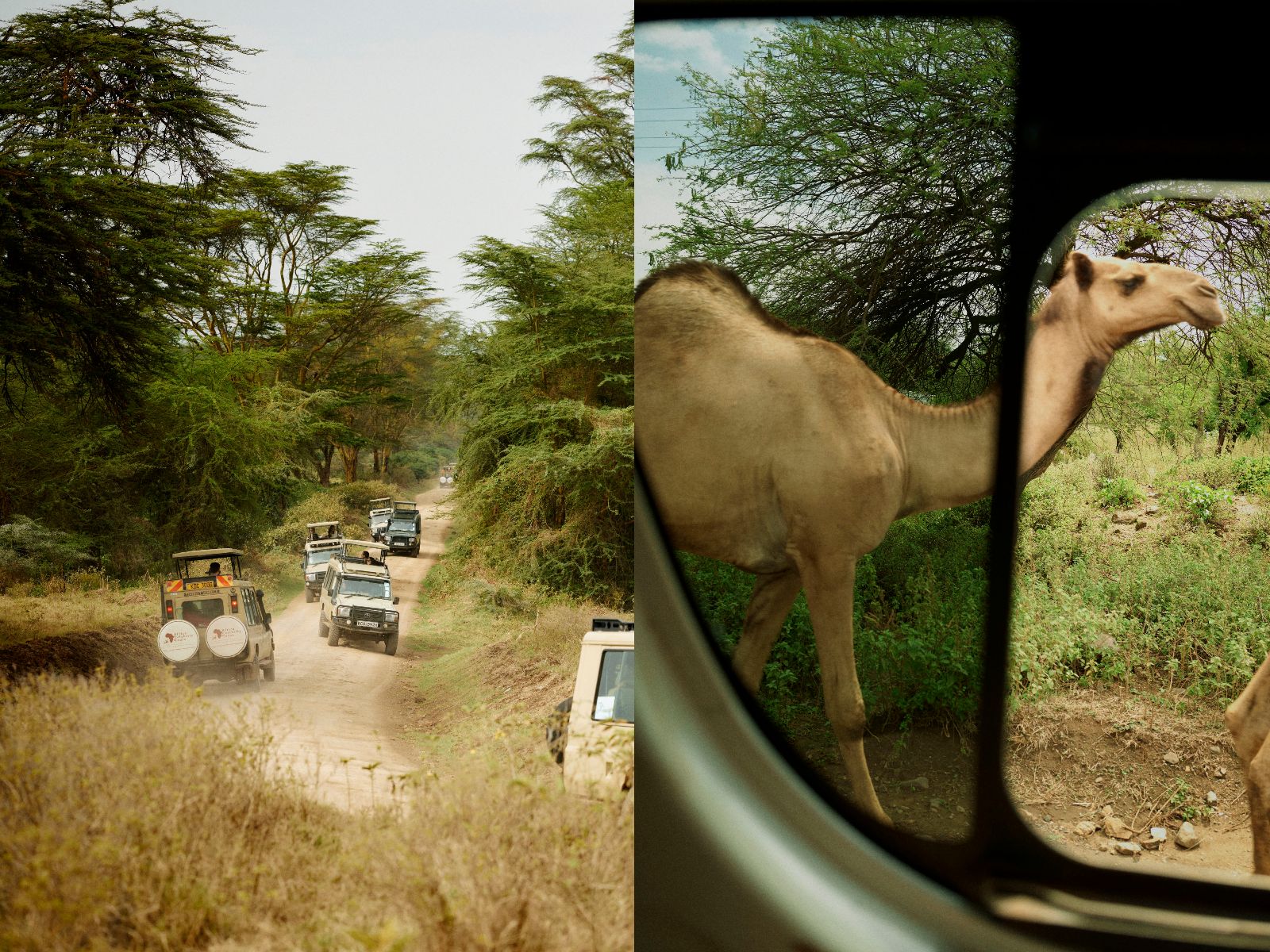
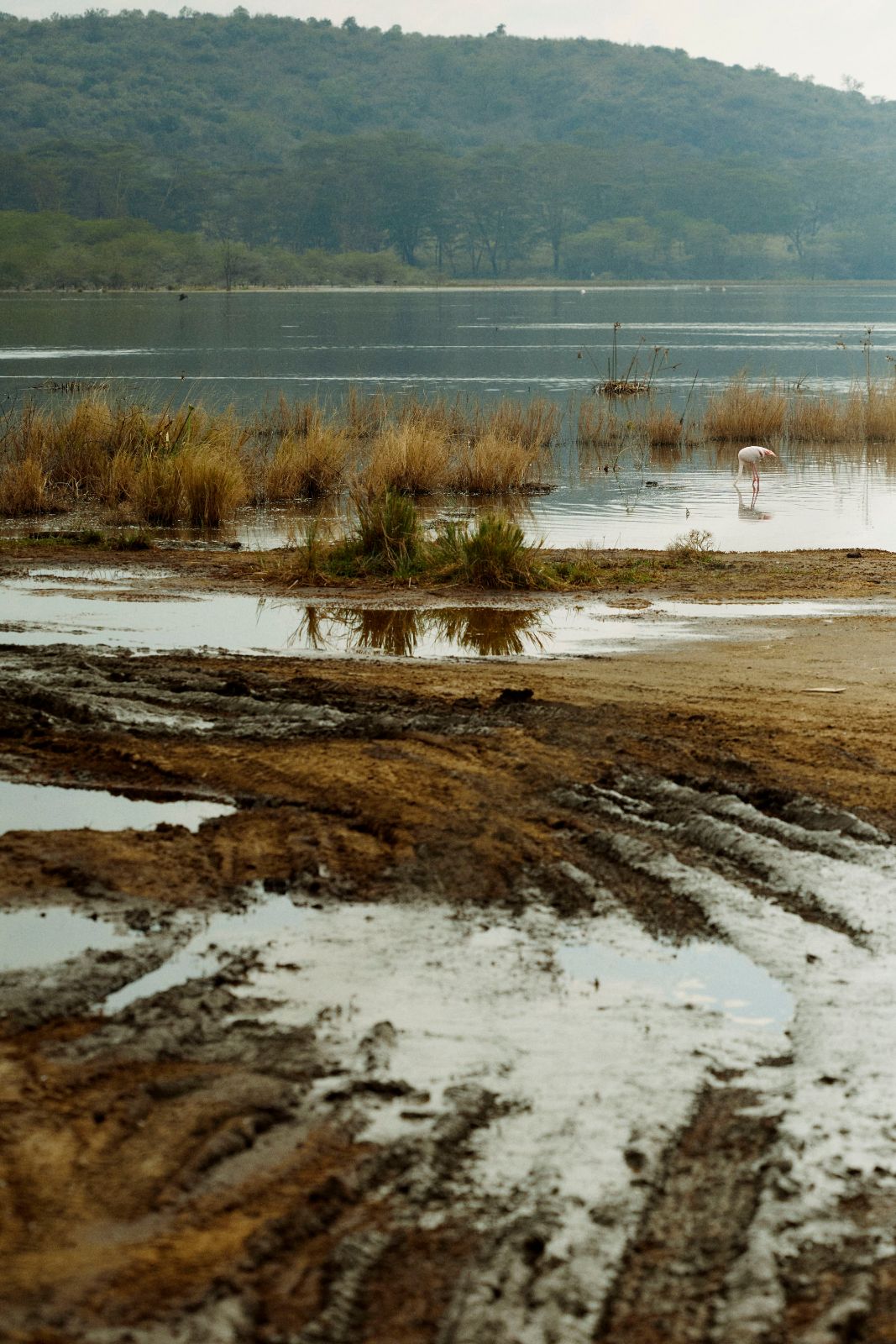
Through every window, caravans of safari jeeps trail softly in the distance. Even out here, there is a street life to the savanna. A camel steps carelessly into the frame of a side mirror; a lone flamingo wades delicately in a misty lakeside marsh just beyond our mud-caked tire treads. Every piece of framing becomes an opportunity to compose the sprawling world.
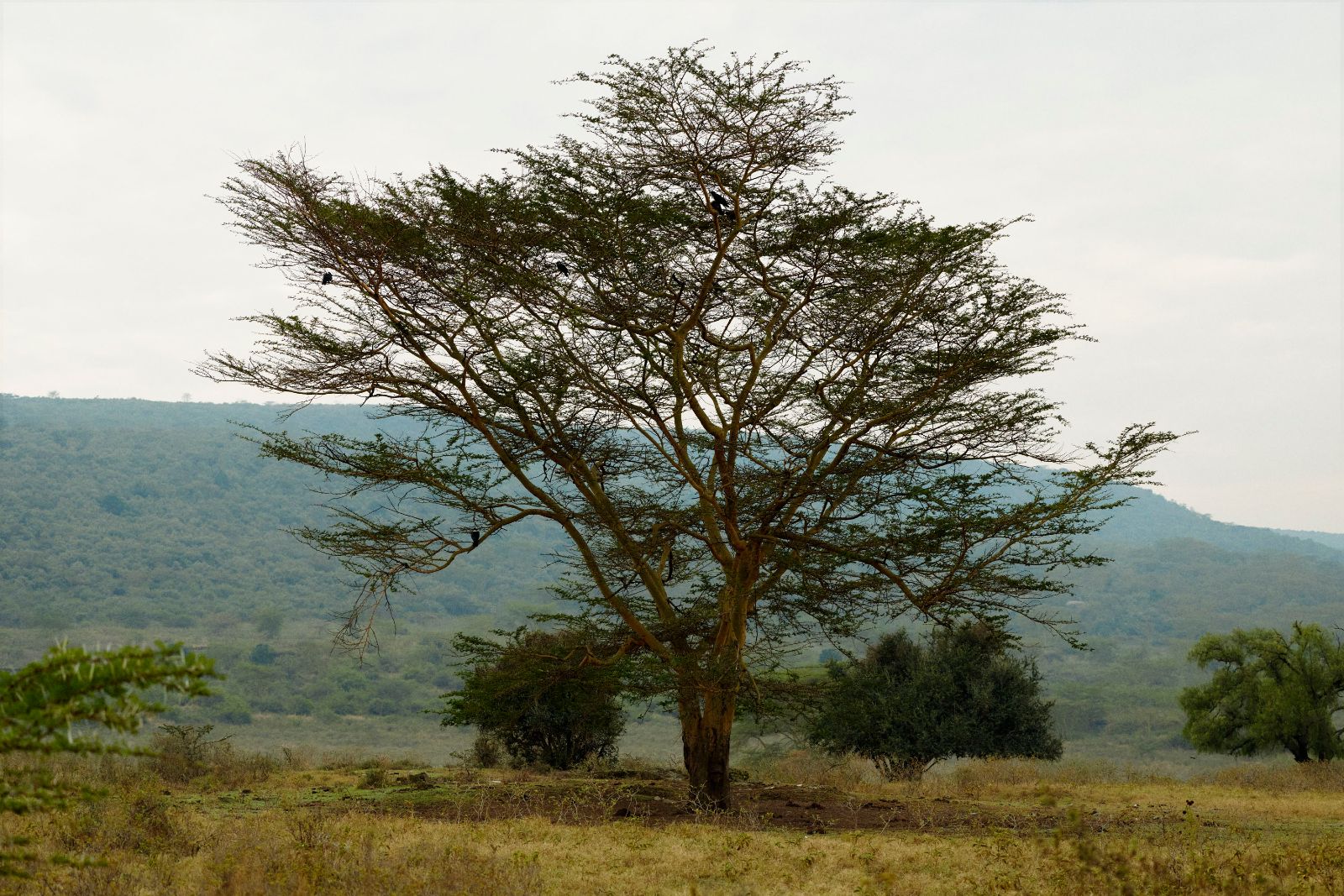
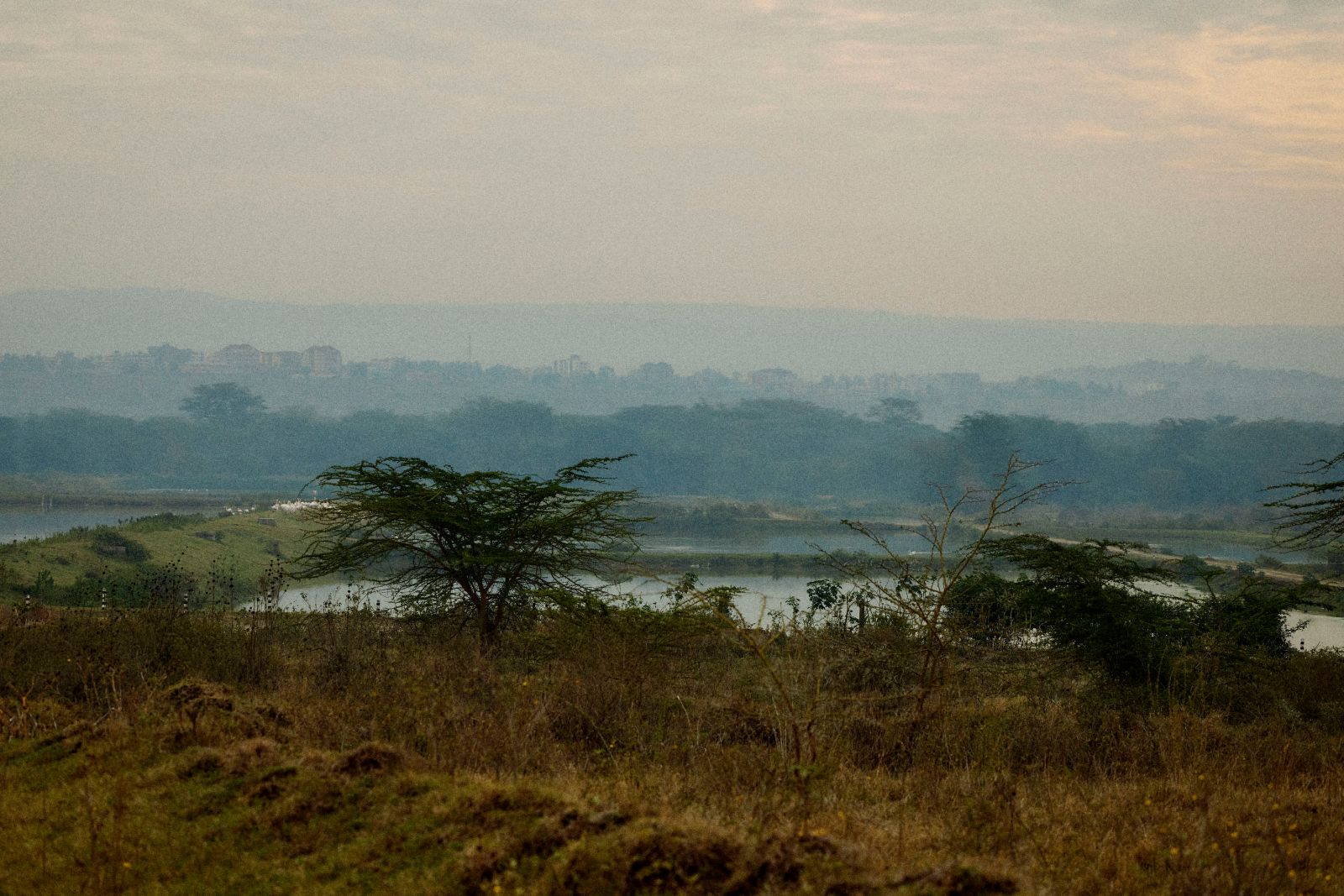
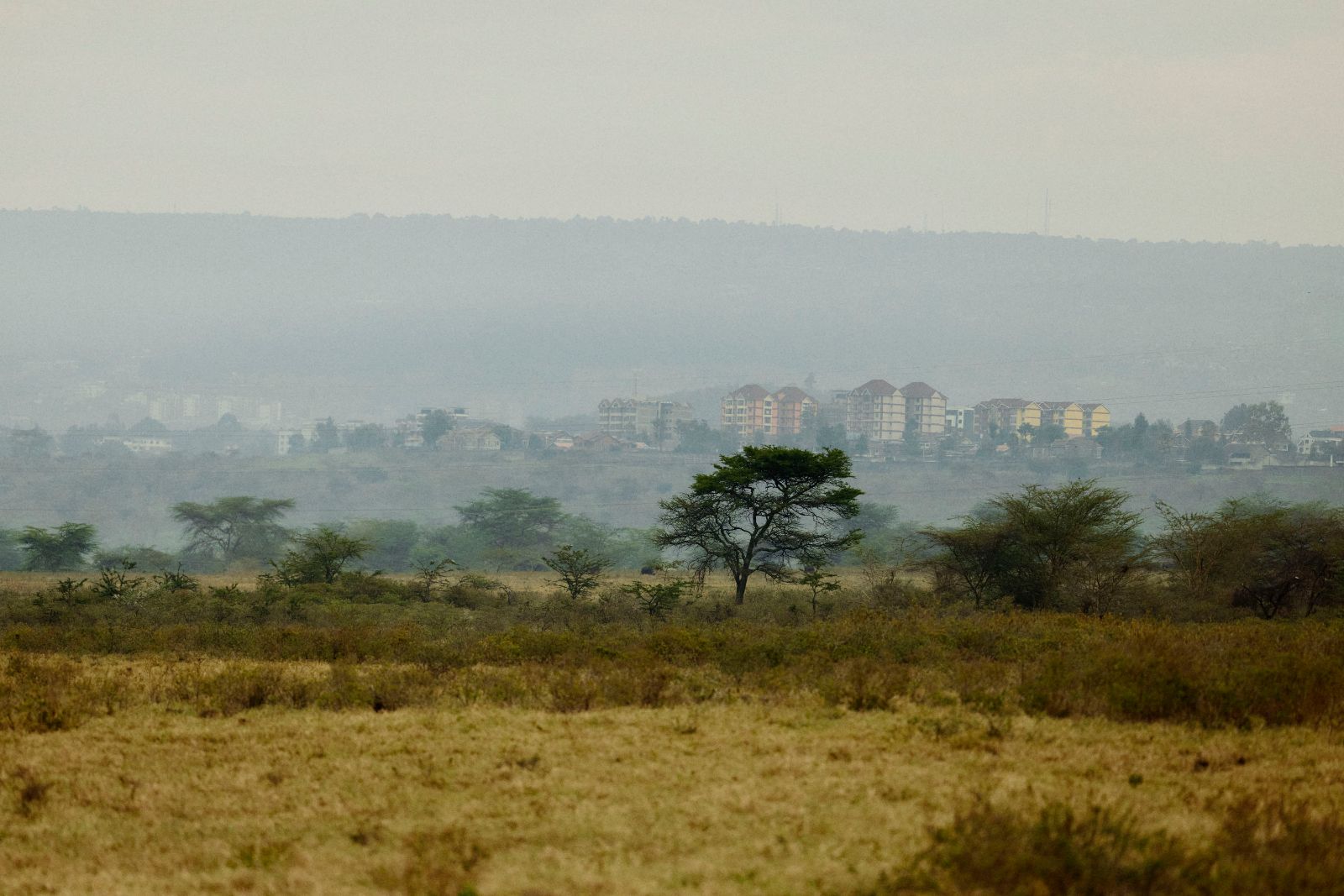
Down in the valleys, a hazy fog clings tightly to the horizon, softening the heavy edges of distant towns and blending the silhouette of acacia scrub into the powder-blue sky. Like a fading memory, the landscape feels boundless, extending out until it simply blurs into the atmosphere.
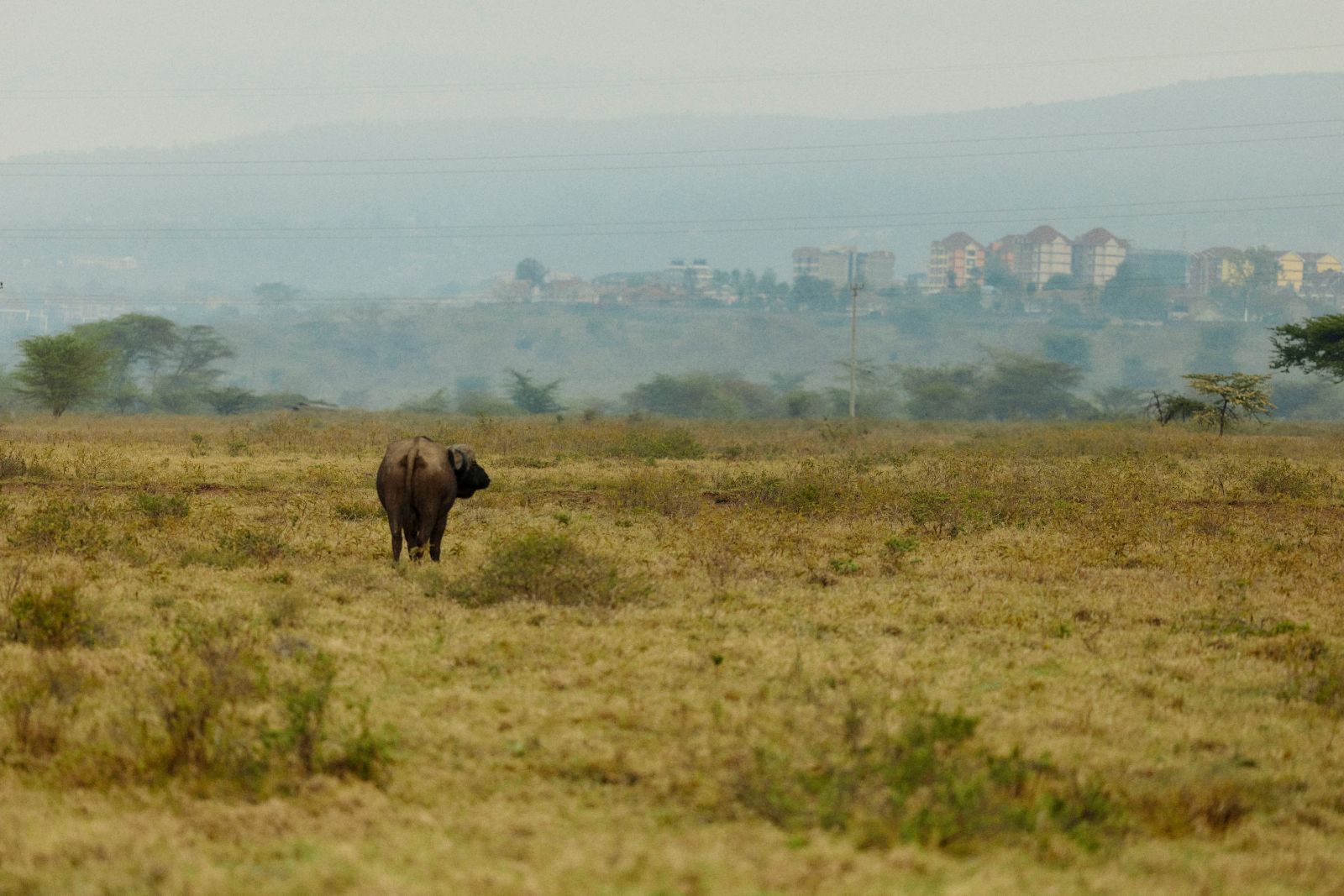
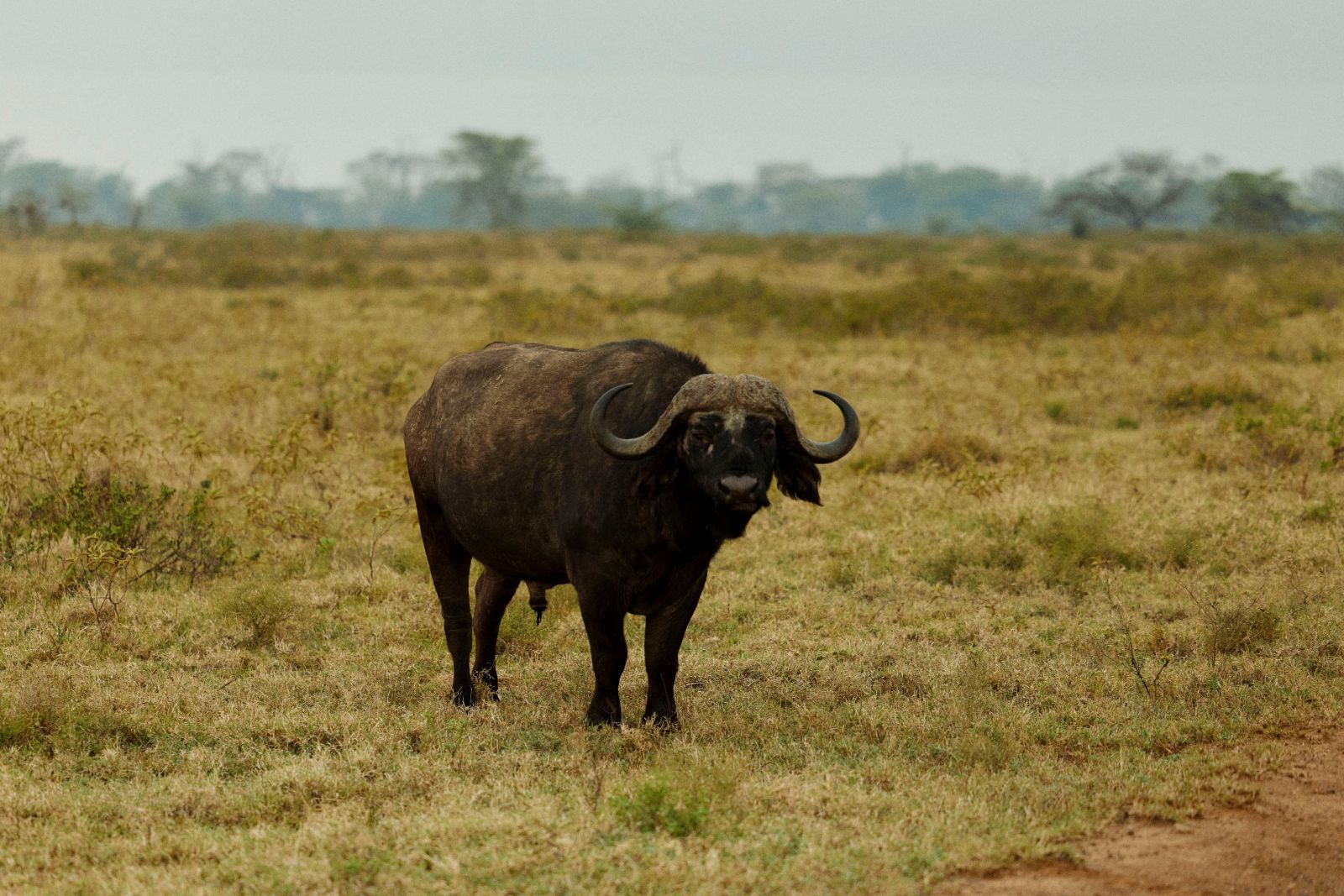
And then, the quiet wildlife interruptions happen. A buffalo navigates the tall, brittle grass, turning its heavy head to trace our movement with a gaze completely empty of fear.
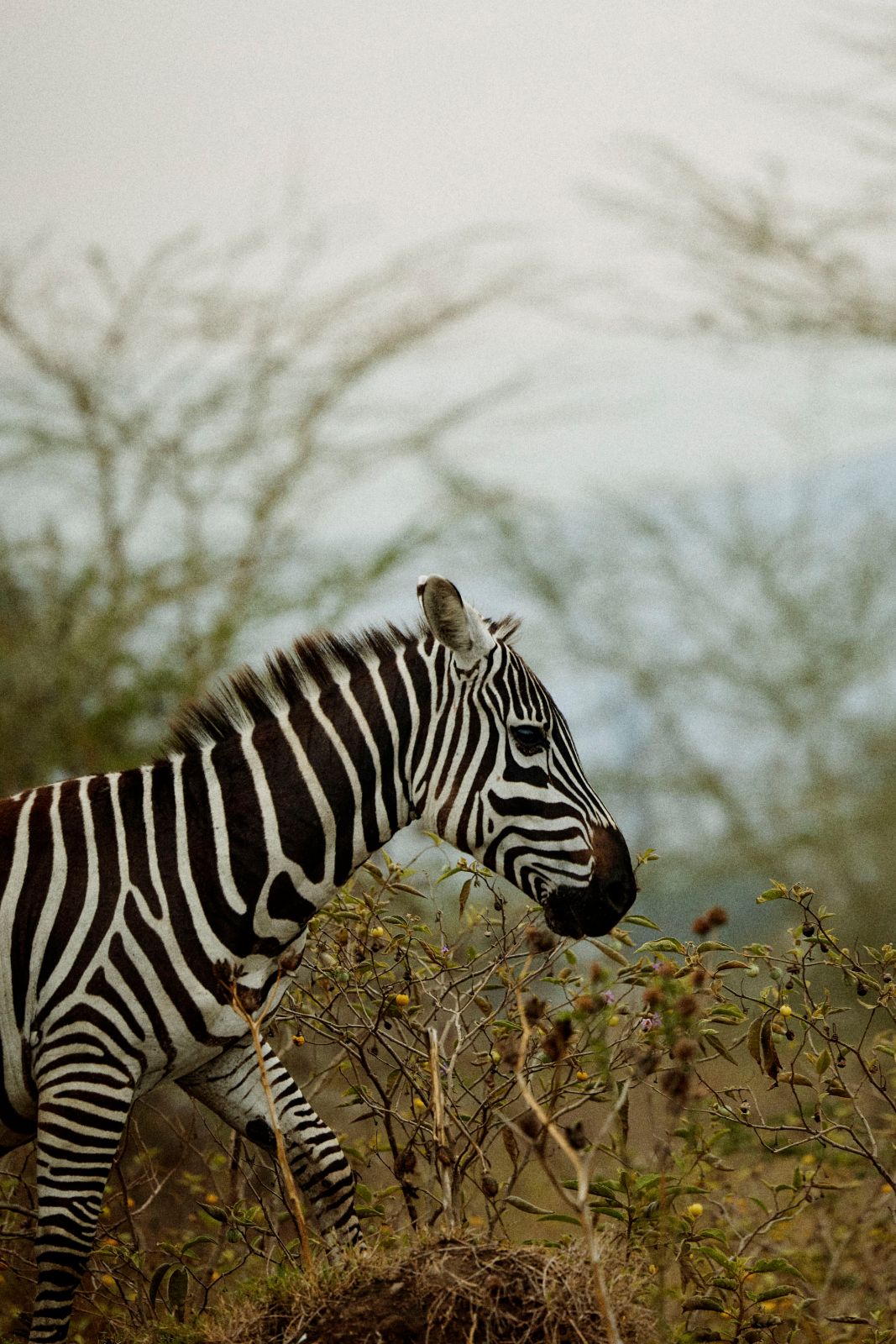
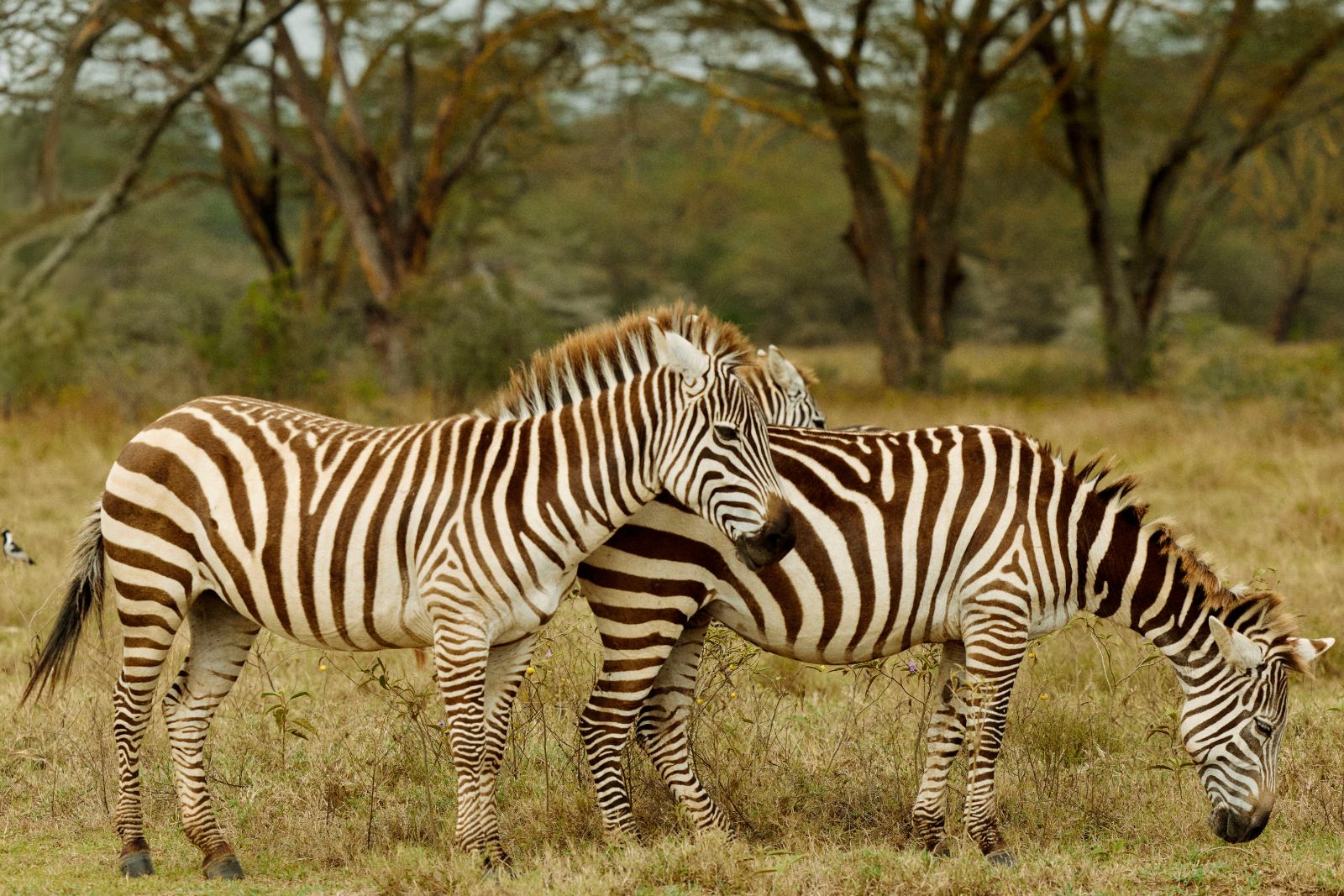
There is a striking graphic nature to everything that survives out here. The sharp contrast of a zebra’s stripes against the tangled scrub hits my eye the exact same way bold city architecture does. I lean out the window, focusing entirely on the texture of their coats and the deliberate bowing of their heads as they graze side by side in the brush.
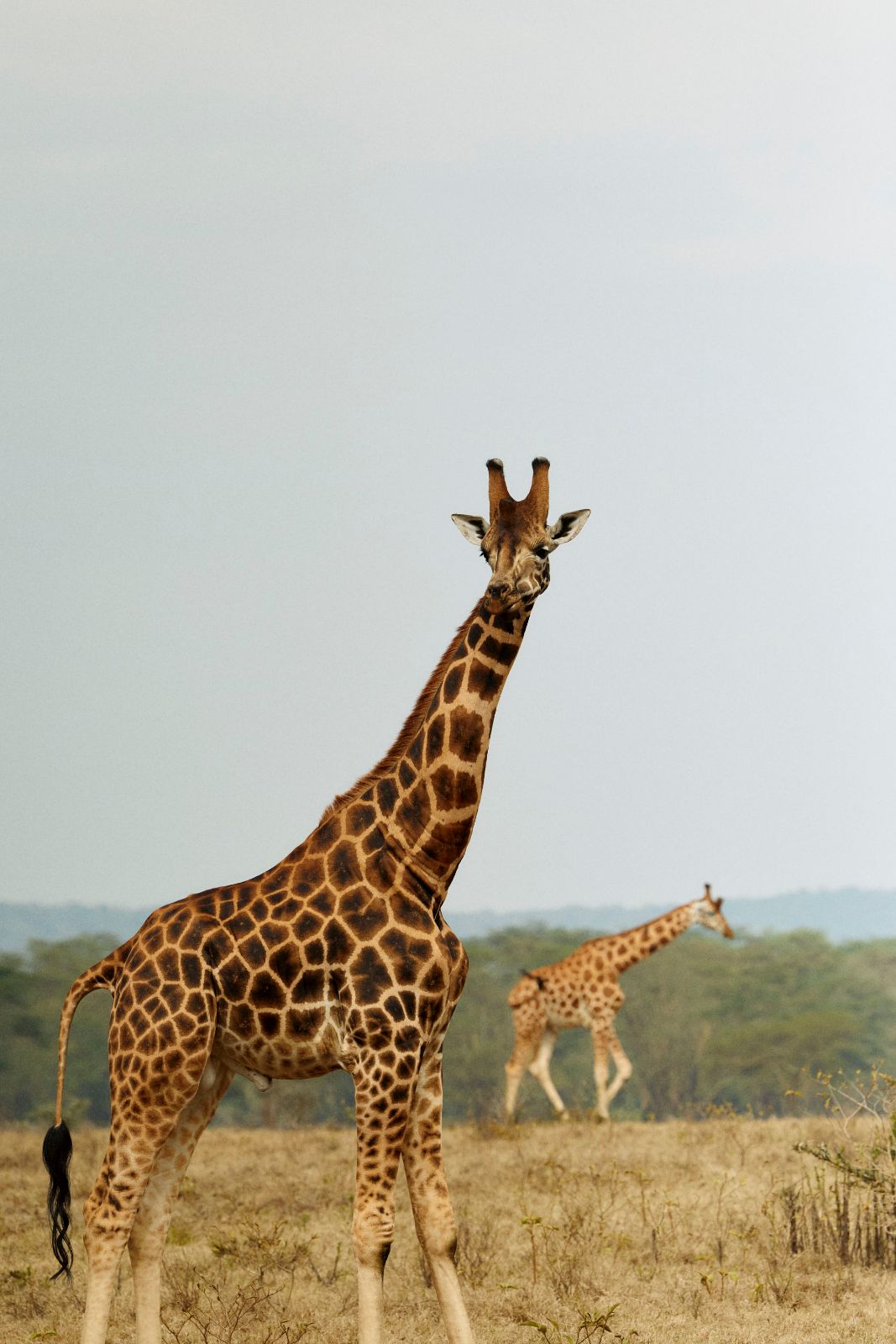
Scale becomes incredibly important in this vastness. You catch a glimpse of a towering giraffe peering down at you from beside the jeep’s rigid frame, entirely dwarfing the metal and rubber.
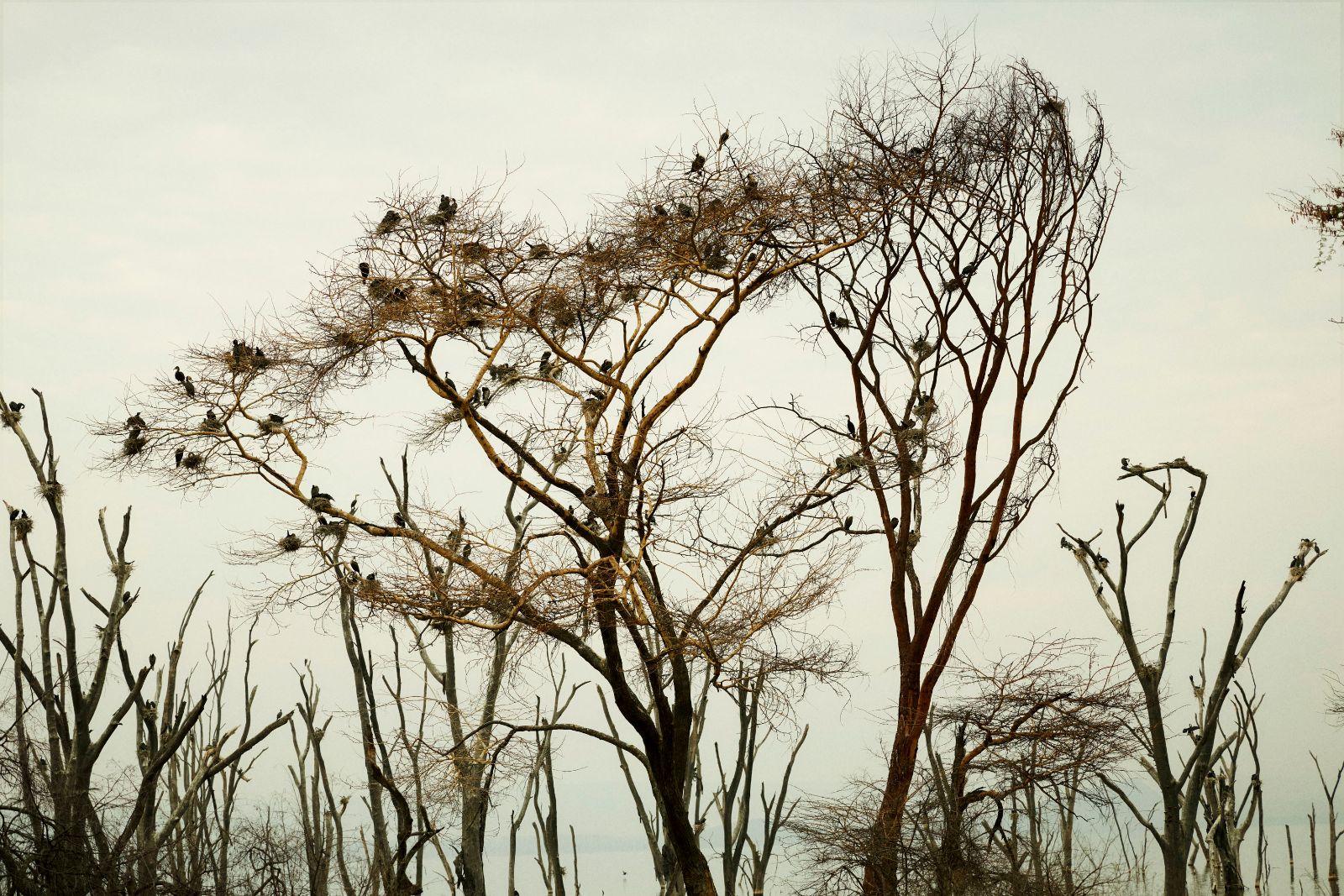
In other moments, dead trees that initially look barren are suddenly animated by the silhouettes of a hundred resting shorebirds. Nature constantly forces me to rethink my framing and adjust my preconceived ideas of space.
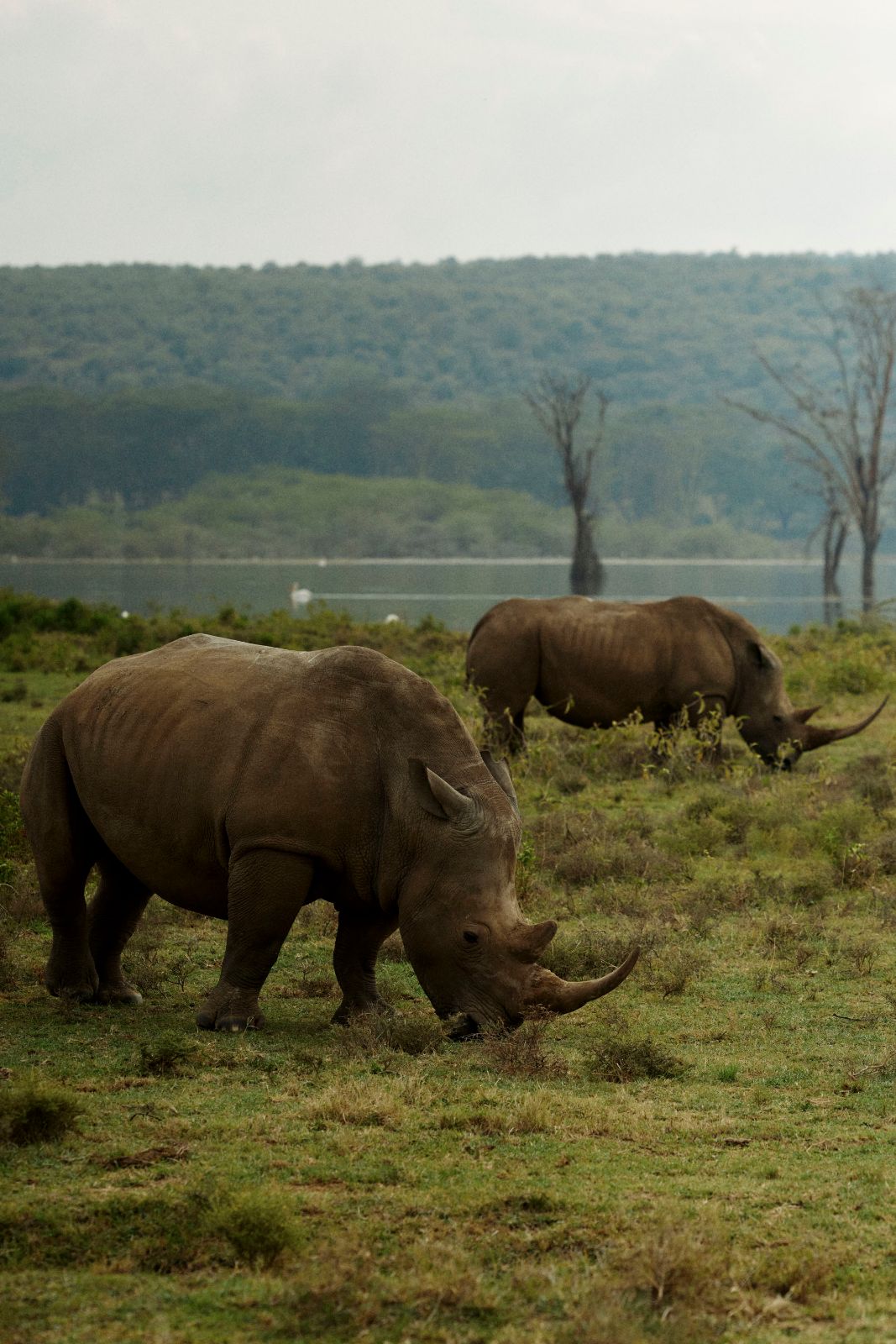
A short drive toward the water reveals deep, muddy trenches reflecting the sky. These heavy tracks signal the passage of prehistoric giants long before we actually spot the pair of rhinos grazing nearby. The sheer texture of their armor beneath the soft, overcast light is magnificently complex.
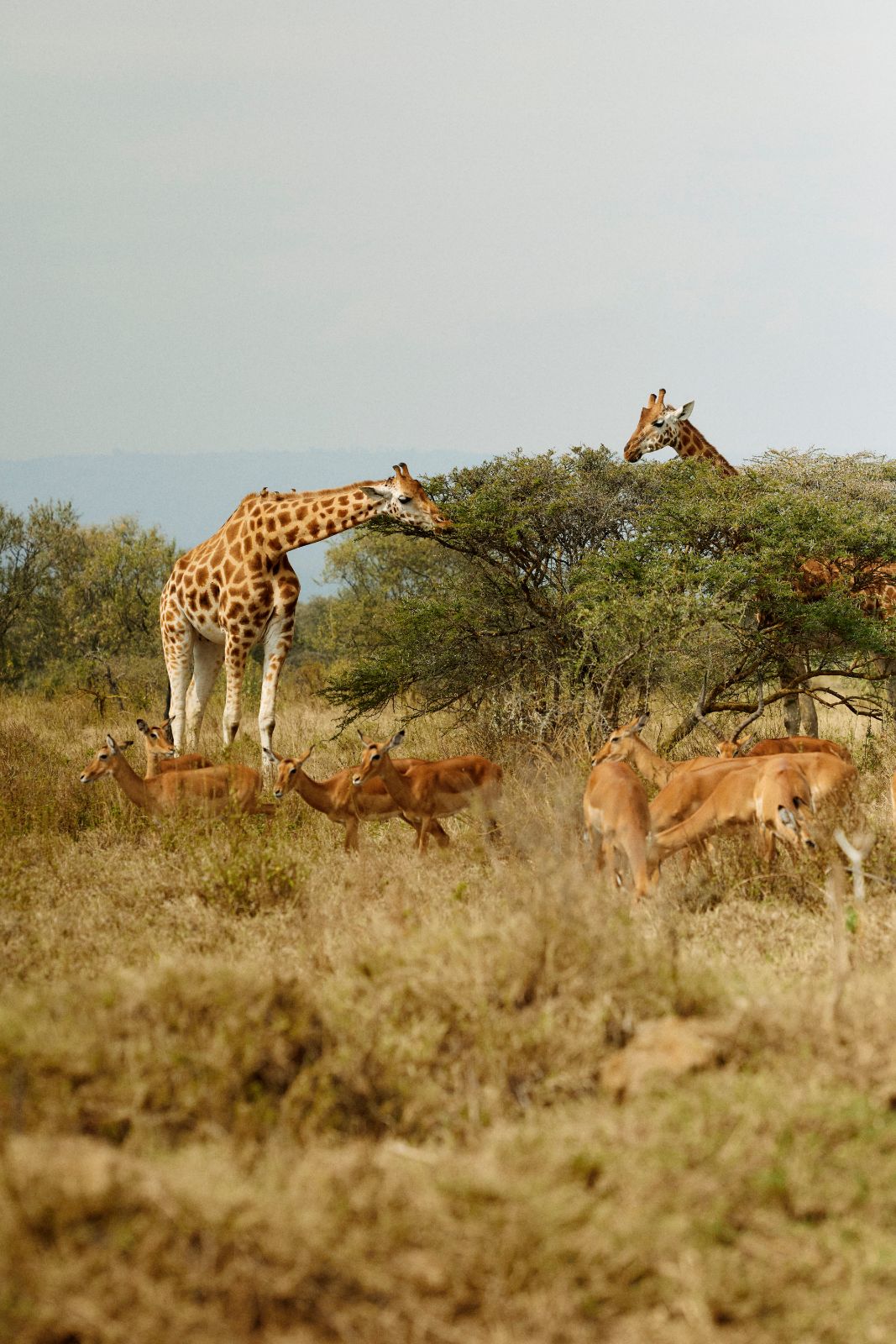
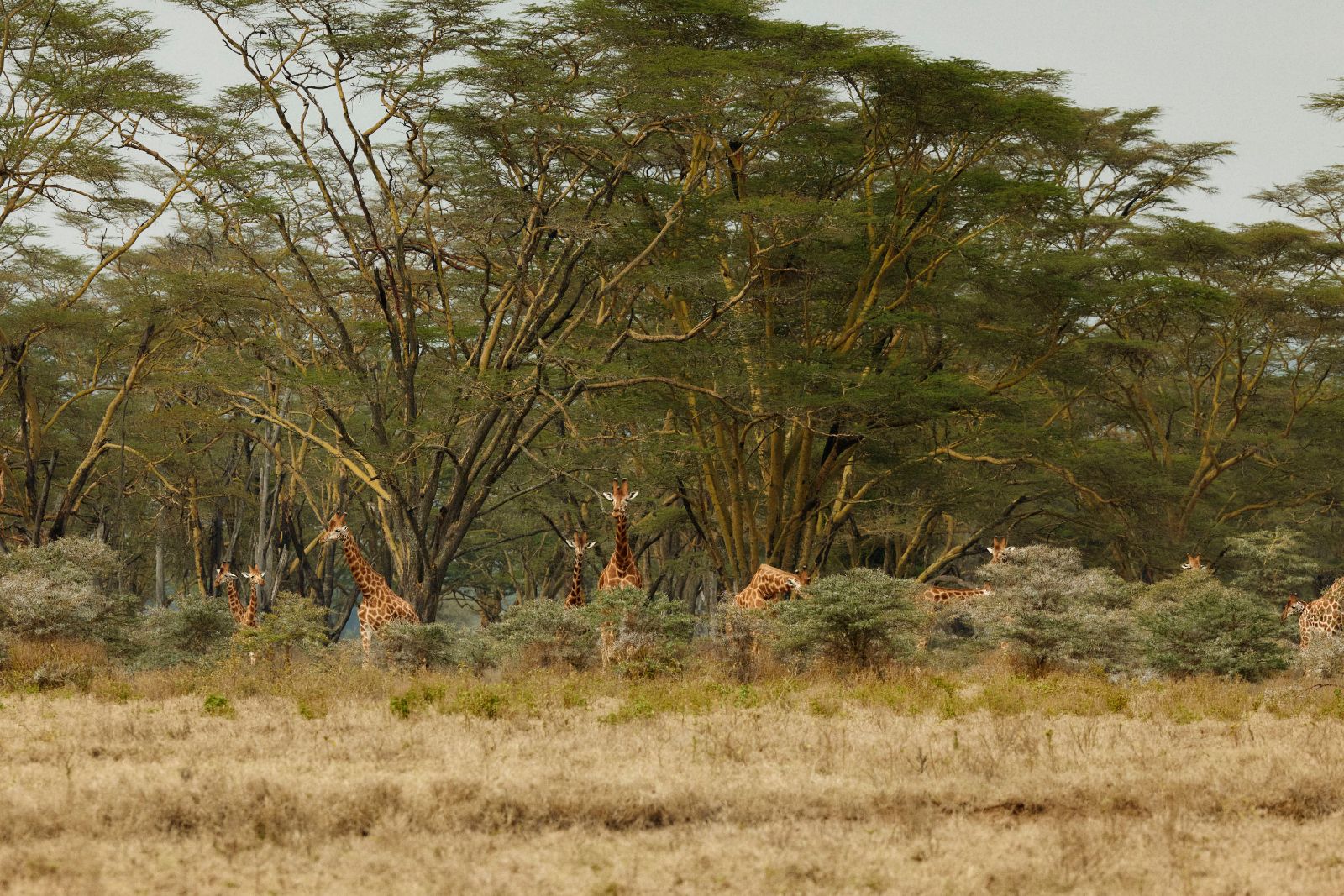
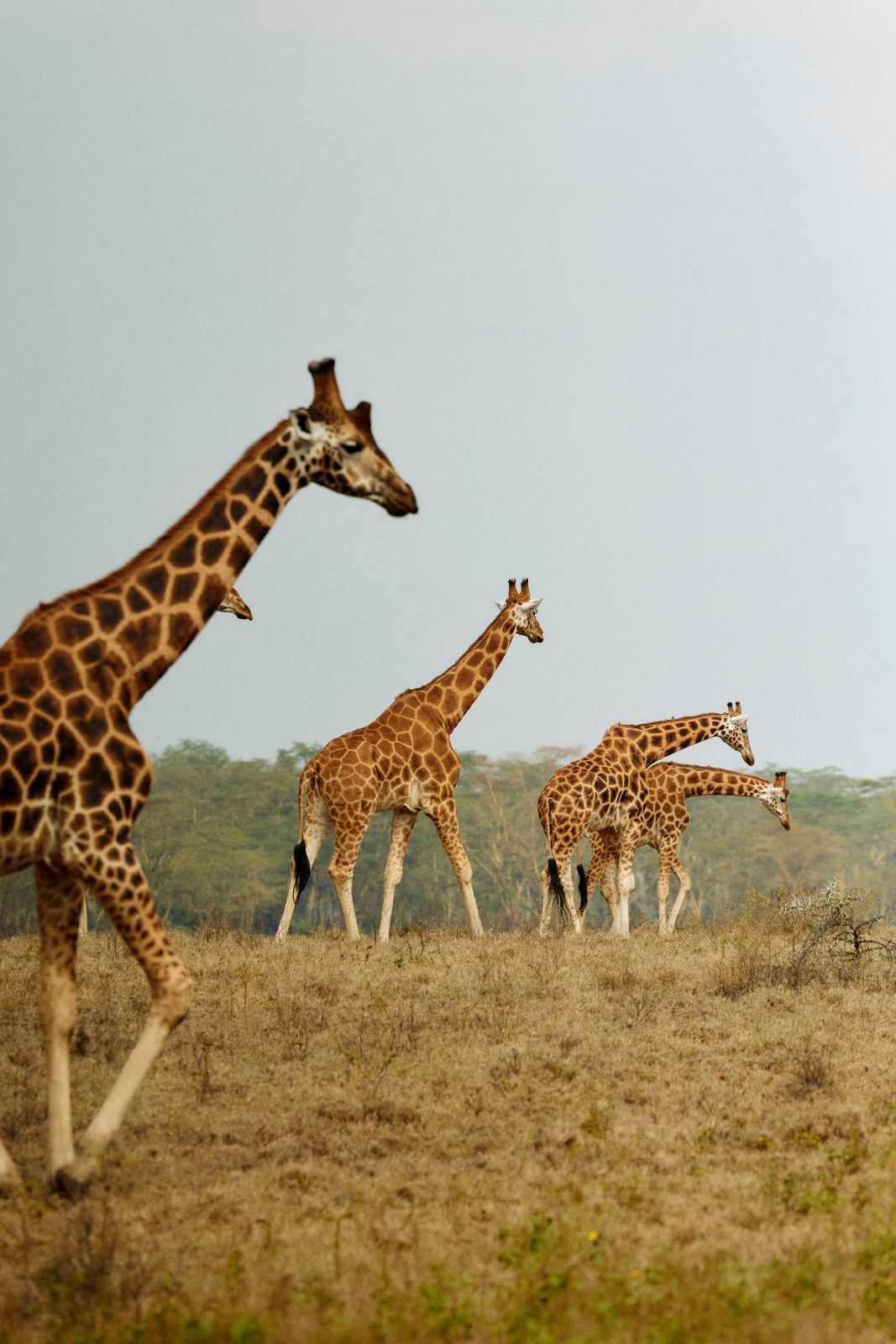
Through a thicket of green scrub, slender necks emerge like periscopes. A dazzle of giraffes weaves through the dense acacia foliage, finding pockets of space to pause and calmly observe our slow approach.
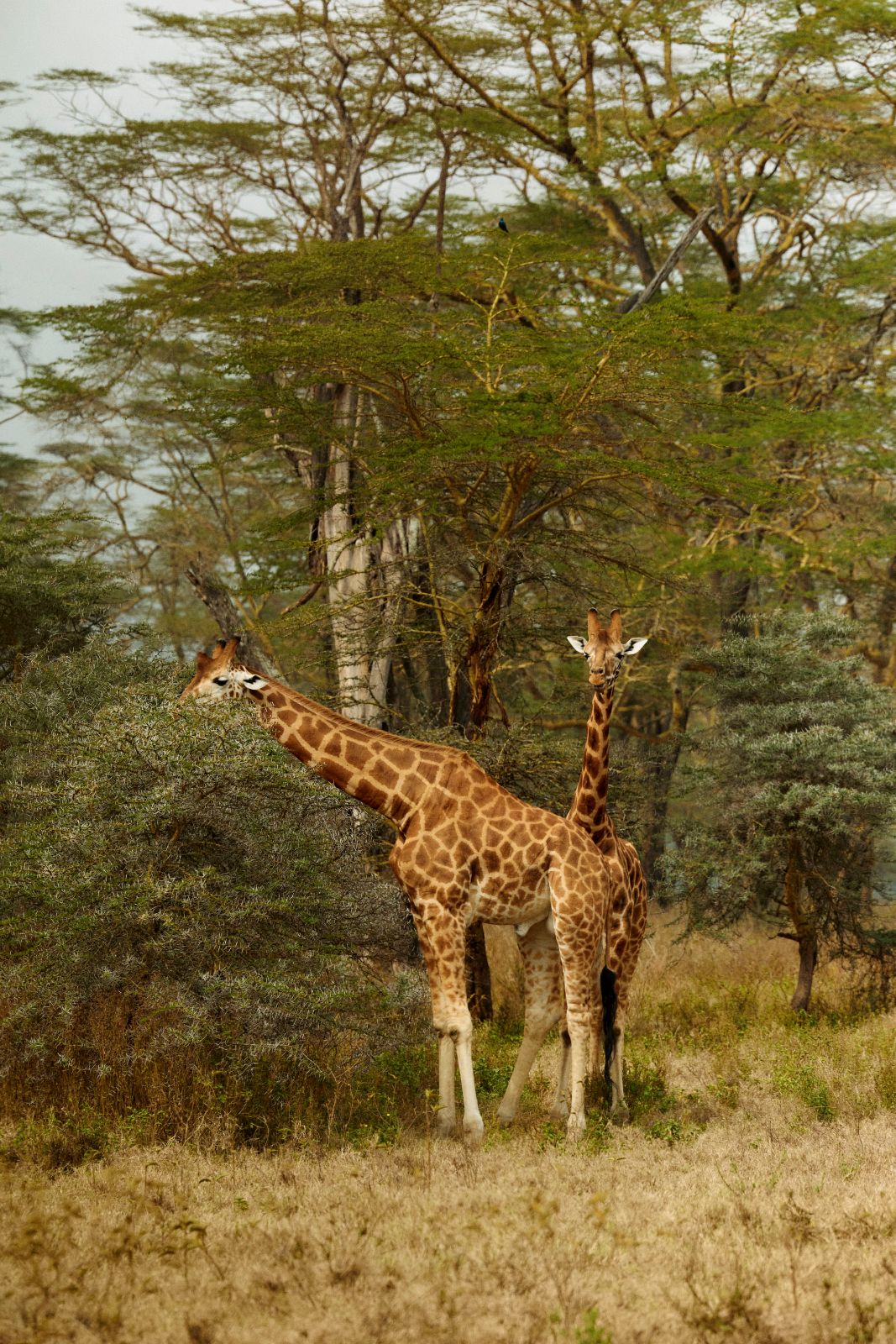
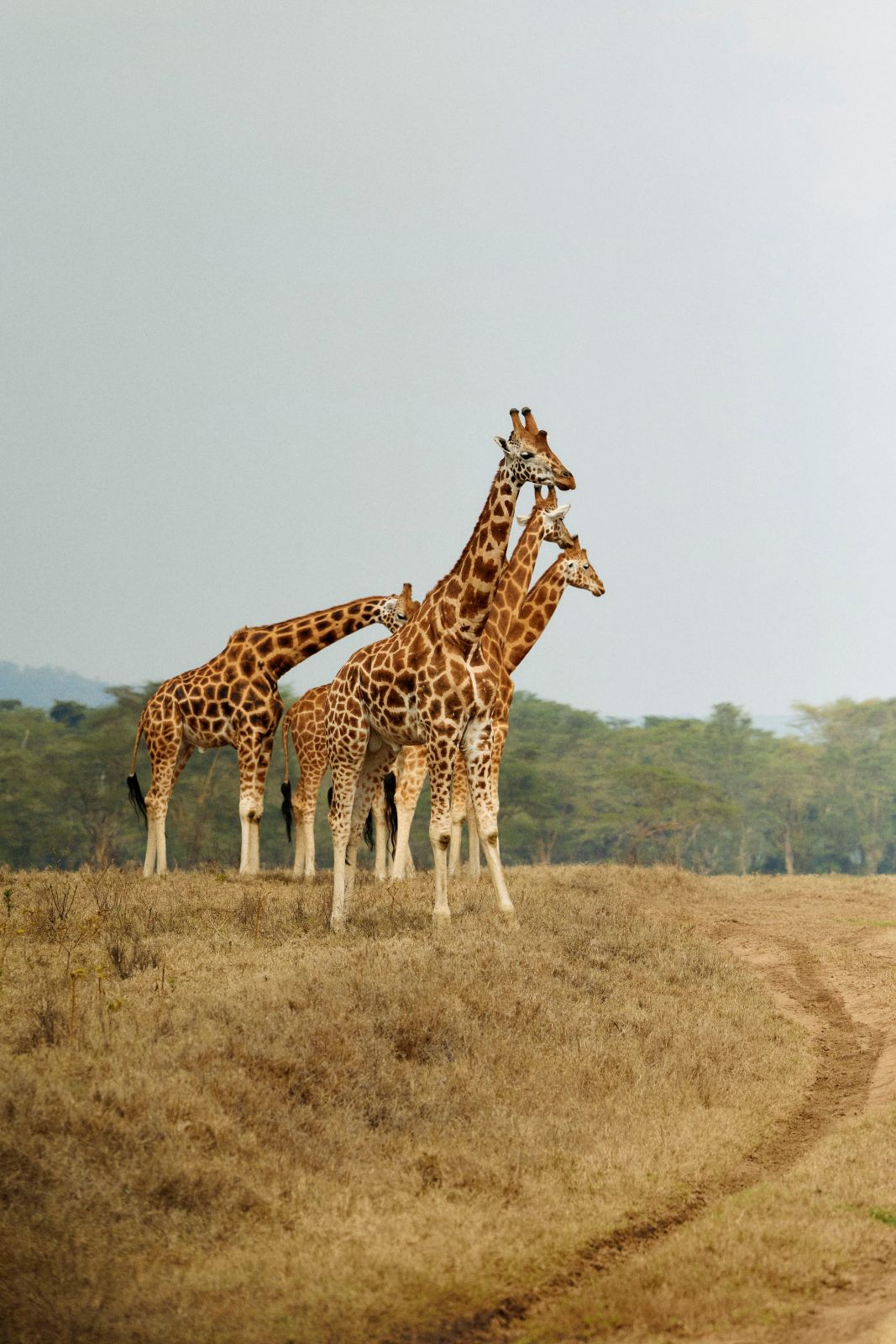
As they step out into the clearing, their movements are impossibly synchronized—giant, delicate dancers casting long shadows on the gold-baked earth. Every single frame feels like an unearned privilege.
I lower the camera, letting the shutter sleep for a second, and just listen to the wind rustling the silk around Kathy’s shoulders—two strangers, fully known by the silent wild.